 MovieSequelHub
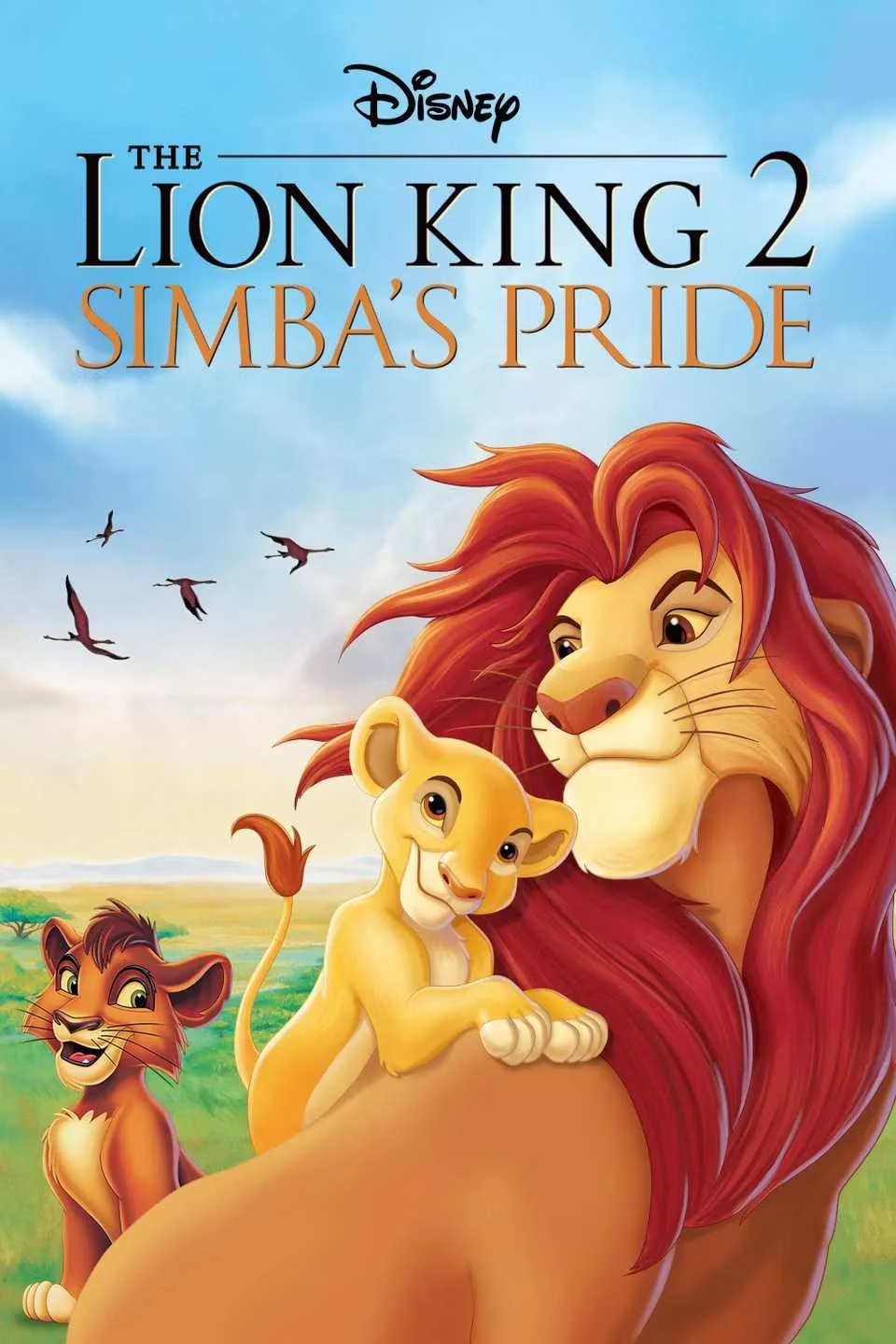
In 2026, Disney's direct-to-video era feels like a time capsule, but I still keep returning to one title: The Lion King II: Simba's Pride. The 1998 follow-up arrived when the Disney Renaissance was still shaping the studio's reputation, and straight-to-video sequels were widely dismissed as cheap cash grabs. I understand the skepticism. Many of those releases felt like unfinished echoes of better movies. Yet Simba's Pride is the exception that proves the rule. It does not just recycle the first film's plot; it finds a new emotional conflict and carries it with real dramatic weight.
A Sequel That Beat the Odds
I have watched a lot of legacy sequels stumble. They often mistake nostalgia for story. The Lion King II avoids that trap by focusing on Simba and Nala's daughter, Kiara, who falls in love with Kovu, an exiled lion. That premise gives the film its own identity. It also creates tension inside the Pride Lands rather than simply repeating Simba's journey to adulthood. The production values were a little less impressive than the 1994 original, of course. But the film still looked great, featured fantastic musical numbers, and had a strong narrative backing it up. That combination is rarer than it should be.
| Quick fact | Detail |
|---|---|
| Release date | October 27, 1998 |
| Runtime | 81 minutes |
| Prequel | The Lion King |
| Franchise | The Lion King |
| Genres | Musical, Adventure |
Romeo and Juliet in the Pride Lands
The original Lion King was inspired by William Shakespeare's Hamlet. This sequel maintained that literary legacy by basing its story on Romeo and Juliet. I think that is why the film still works in 2026. The romance is not a side plot; it is the engine of the drama. Kiara and Kovu's relationship forces Simba to confront his own fear and prejudice. The stakes feel personal, not manufactured. With more incredible music, most of the original voice cast back, and an enjoyable sense of humor, The Lion King II proved that Disney sequels did not have to be disappointing. Matthew Broderick and Jason Marsden are part of the voice lineup, and their presence helps connect the sequel to the original's legacy.
What Still Works in 2026
What I appreciate most now is how the film expands the world of the original in a way that feels natural. It does not treat the Pride Lands as a museum. It shows a new generation with new problems. The story can actually stand on its own, even if viewers have not seen the 1994 classic recently. That is a key test for any sequel. In 2026, when streaming libraries make every franchise available at once, a follow-up has to justify its existence. The Lion King II does that with a heartfelt story and a clear emotional core.
I would not call every Disney direct-to-video sequel a hidden gem. At their worst, these releases feel like half-baked cash grabs that tarnish the legacy of the originals. Without fully understanding what made their predecessors so appealing, releases like Cinderella II: Dreams Come True and The Hunchback of Notre Dame II are best avoided altogether. That is why The Lion King II stands out. It understands the original's tone, but it does not copy the original's beats.
The Diamonds in the Rough
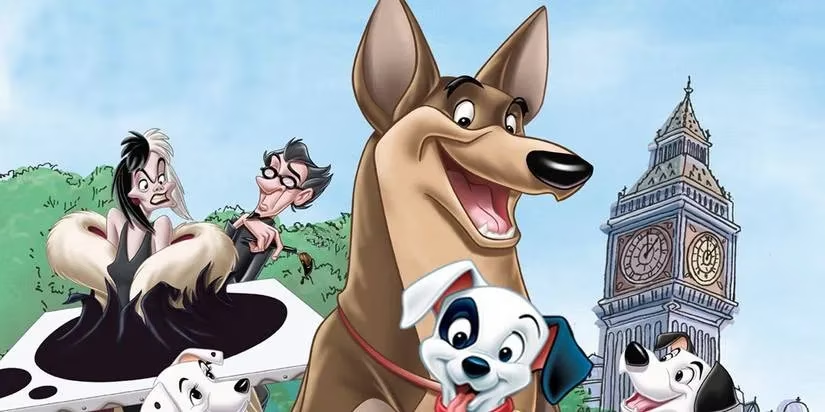
However, The Lion King II is not the only time Disney got it right. Cinderella III told a fascinating time-twist story where Cinderella's sister took her place, and 101 Dalmatians II: Patch's London Adventure was a fun-filled exploration of the puppy Patch. Those titles show that direct-to-video releases may have a bad reputation, but there are certainly some diamonds in the rough. I see a clear pattern: the successful sequels focus on character, not filler. They take a supporting idea and build a real story around it.
Final Take
As a longtime player and film fan, I judge sequels by one simple question: do they add something I want to revisit? The Lion King II: Simba's Pride passes that test. It has strong music, real emotional depth, and a story that respects its audience. In 2026, the direct-to-video label feels like a relic, but the conversation about legacy sequels is louder than ever. The Lion King II remains a useful example of how to continue a classic without diminishing it. 🦁🎶🐾