 MovieSequelHub
You know, as a horror fan, I've always had a soft spot for the underdog. Everyone and their grandma knows about the 1973 movie The Exorcist—it's the horror film that even people who hate horror have seen, or at least heard about. That head-spinning scene? Iconic doesn't even begin to cover it. But let me tell you about a little secret, a hidden gem in this sprawling franchise that most people missed: the 2016 TV series. It's the sequel the movies wish they could have been.
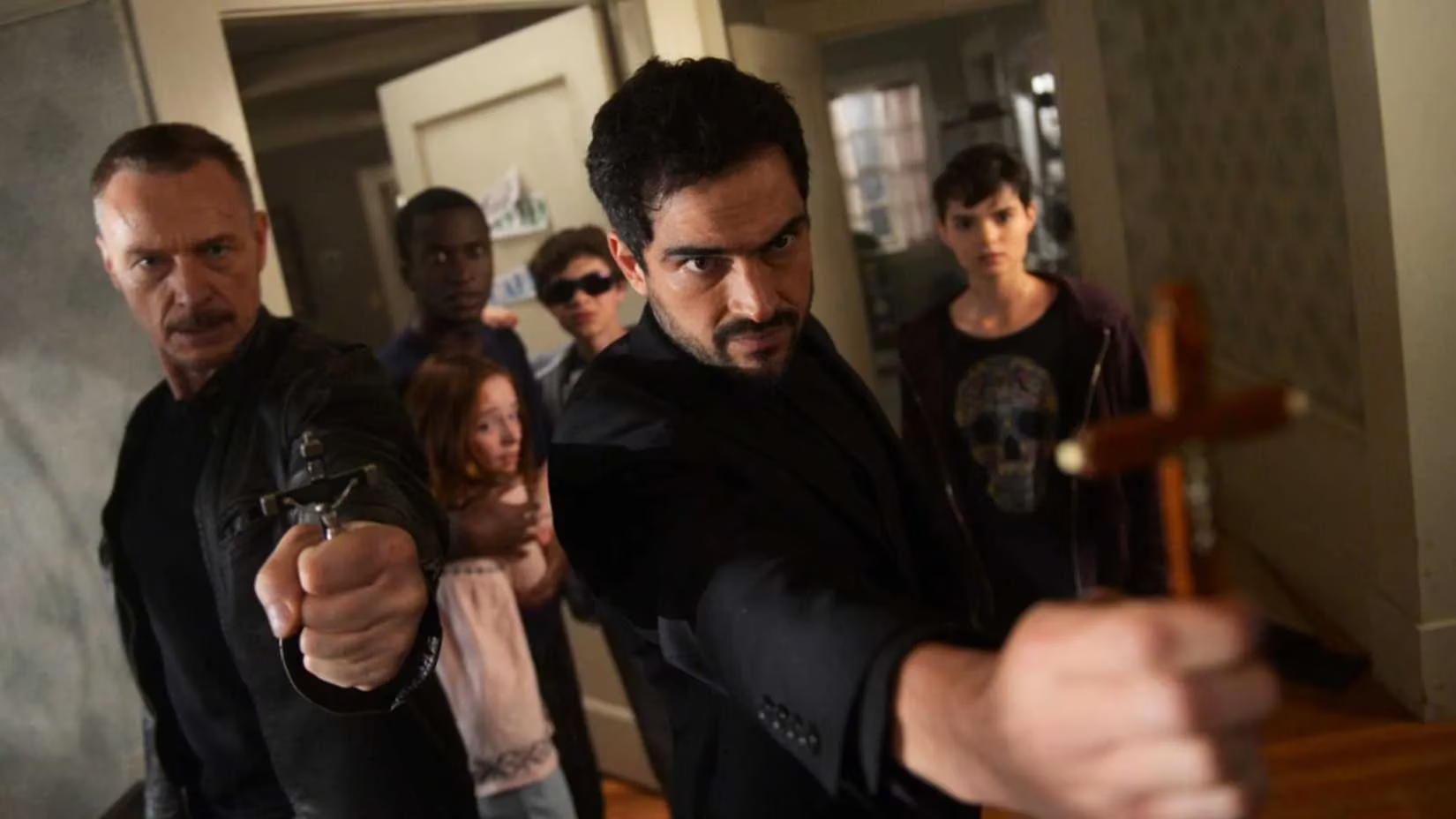
I remember when the show premiered on Fox back in 2016. It was a gutsy move, basically hitting the reset button on decades of messy sequels and saying, 'You know what? Let's just follow directly from that first, perfect movie.' And it worked. The series is set in modern-day Chicago, but it treats the events of 1973 as undeniable, terrifying history. The premise hooks you right away: two priests, Fathers Tomas Ortega and Marcus Keane, are on the front lines of a new wave of demonic possessions. But here's the kicker—it's not just about the spooky stuff. The show puts a family, the Rances, right at the heart of the horror. Watching Geena Davis as Angela Rance, a mother utterly convinced her daughter Casey is possessed... man, she brings a raw, desperate humanity to it that grounds the whole supernatural nightmare. You feel her terror in your bones.
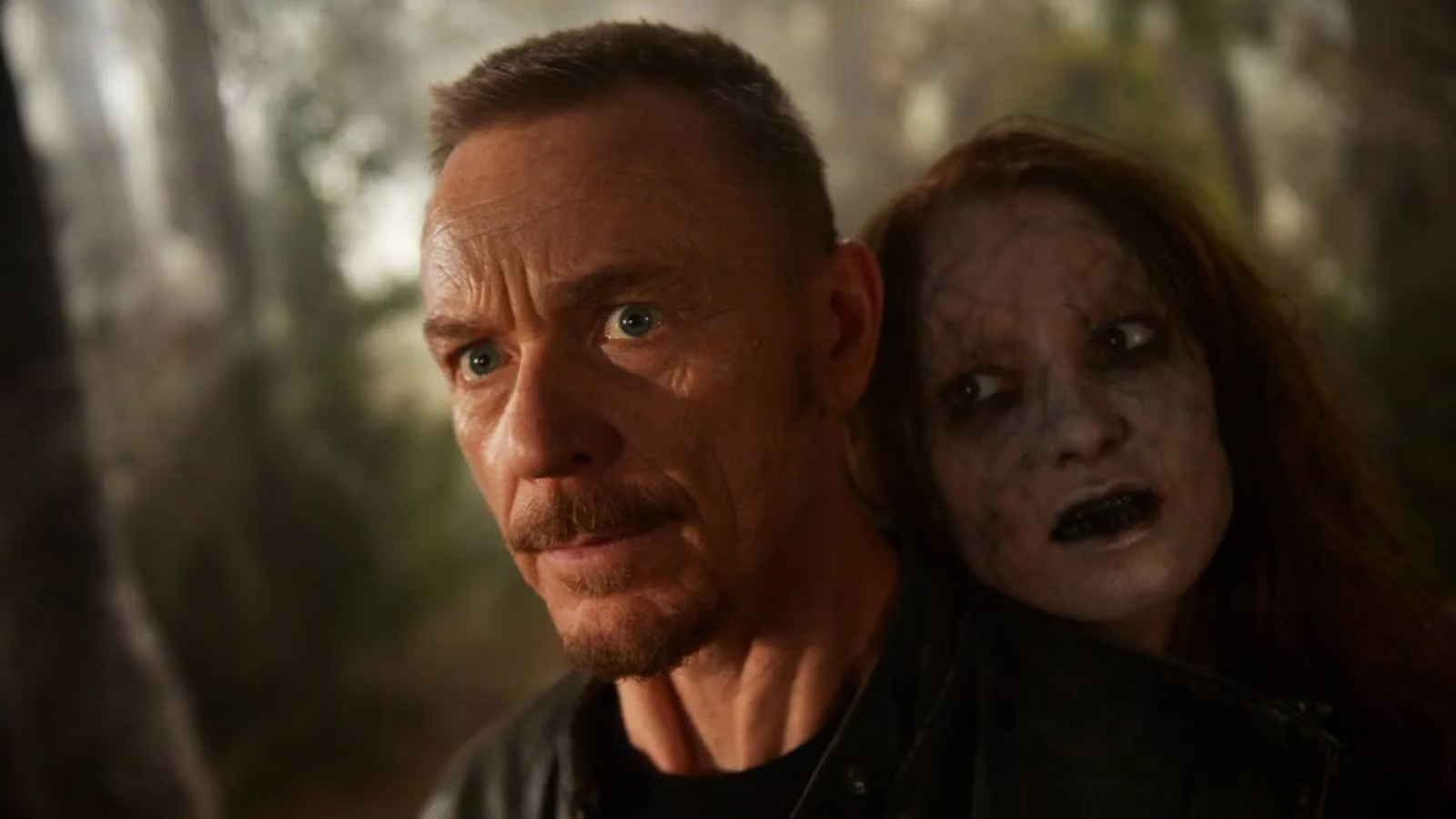
Now, let's talk about those other sequels for a sec. The movies after the original? Oh boy, they were all over the map. Exorcist II: The Heretic in 1977 went full-on weird sci-fi—talk about a tonal whiplash! Others just felt like cheap imitations, recycling characters and scenes without the soul. It was like the franchise lost its way, you know? Chasing scares instead of substance.
This is where the TV show truly shined and, in my opinion, became the best sequel in the entire Exorcist franchise. It didn't just exploit the name; it respectfully expanded the world. The lore got deeper, the characters felt real and lived-in. It wasn't a parade of religious imagery for shock value; the faith elements were woven into the characters' journeys. Father Tomas's crisis of faith? Father Marcus's gruff, weathered determination? Angela's maternal ferocity? These weren't just archetypes; they felt like people.
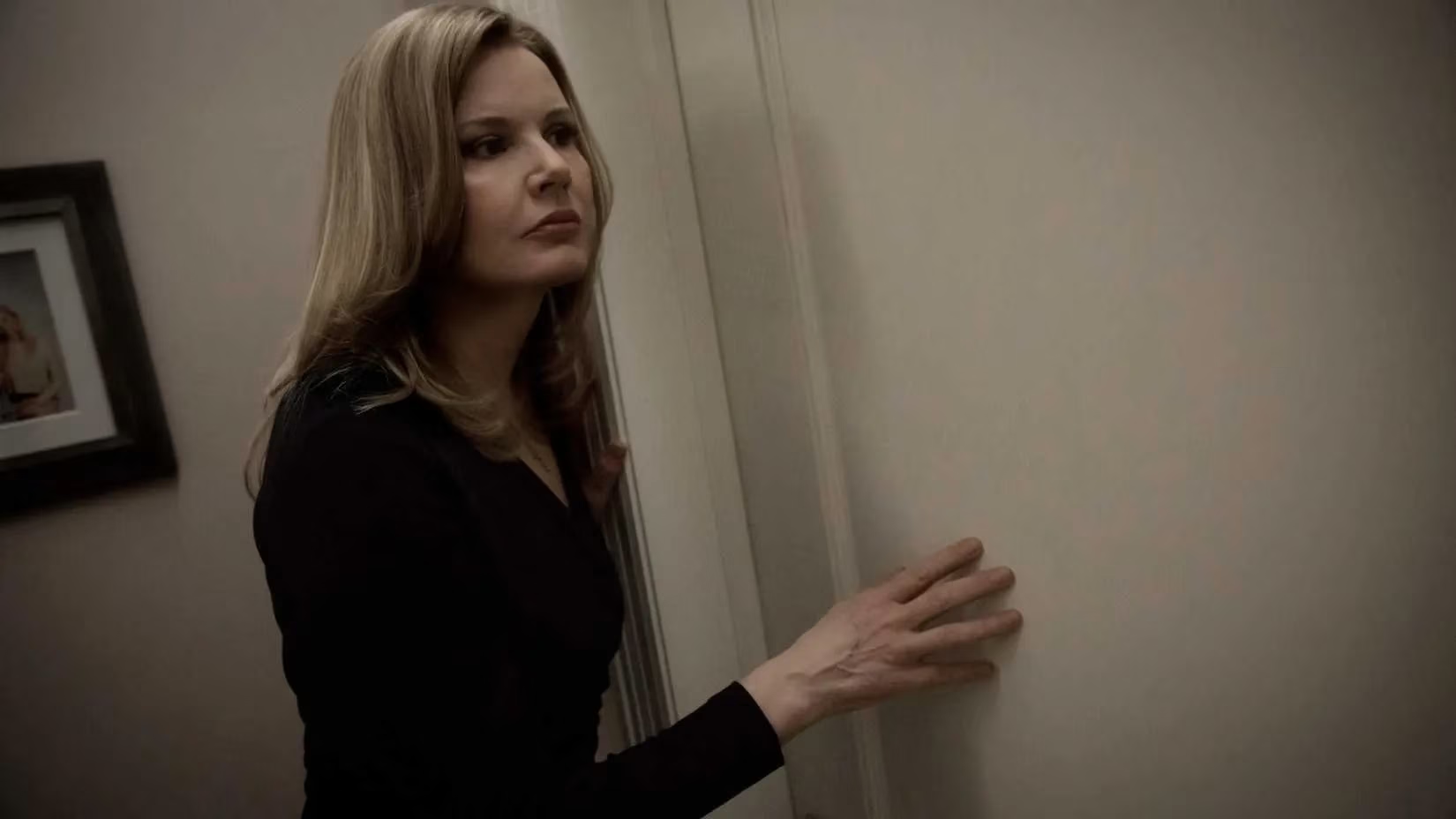
The show had this brilliant balance. It served up chilling, franchise-faithful exorcisms and nods for the die-hard fans, but it always, always put the character stories first. It wasn't trying to be the movie again; it was trying to be its own thing in the same universe. And for two seasons, it absolutely nailed it. The critical response reflected that too—it holds a stellar 89% on Rotten Tomatoes. Not too shabby, right?
Which makes what happened next such a gut punch. Despite the quality and the critical love, Fox canceled the show after just two seasons and 20 episodes. The final episode aired in December 2017. The reason? The oldest story in the TV business: low ratings. It was stuck in the dreaded Friday night 'death slot,' and even though it built a small but incredibly devoted fanbase, it was the lowest-rated drama on the network. Honestly, it's a minor miracle it got a second season at all.
Here's the real tragedy, though. The 2010s were the era when streaming services started rescuing canceled network gems. Think Lucifer or The Exorcist's horror cousin, Hannibal. But for some reason, no platform swooped in to save this one. The creator, Jeremy Slater, even had plans for a third season! The storyline was mapped out, ready to explore a fractured partnership and a divine calling. We were robbed of that story, and it still stings.
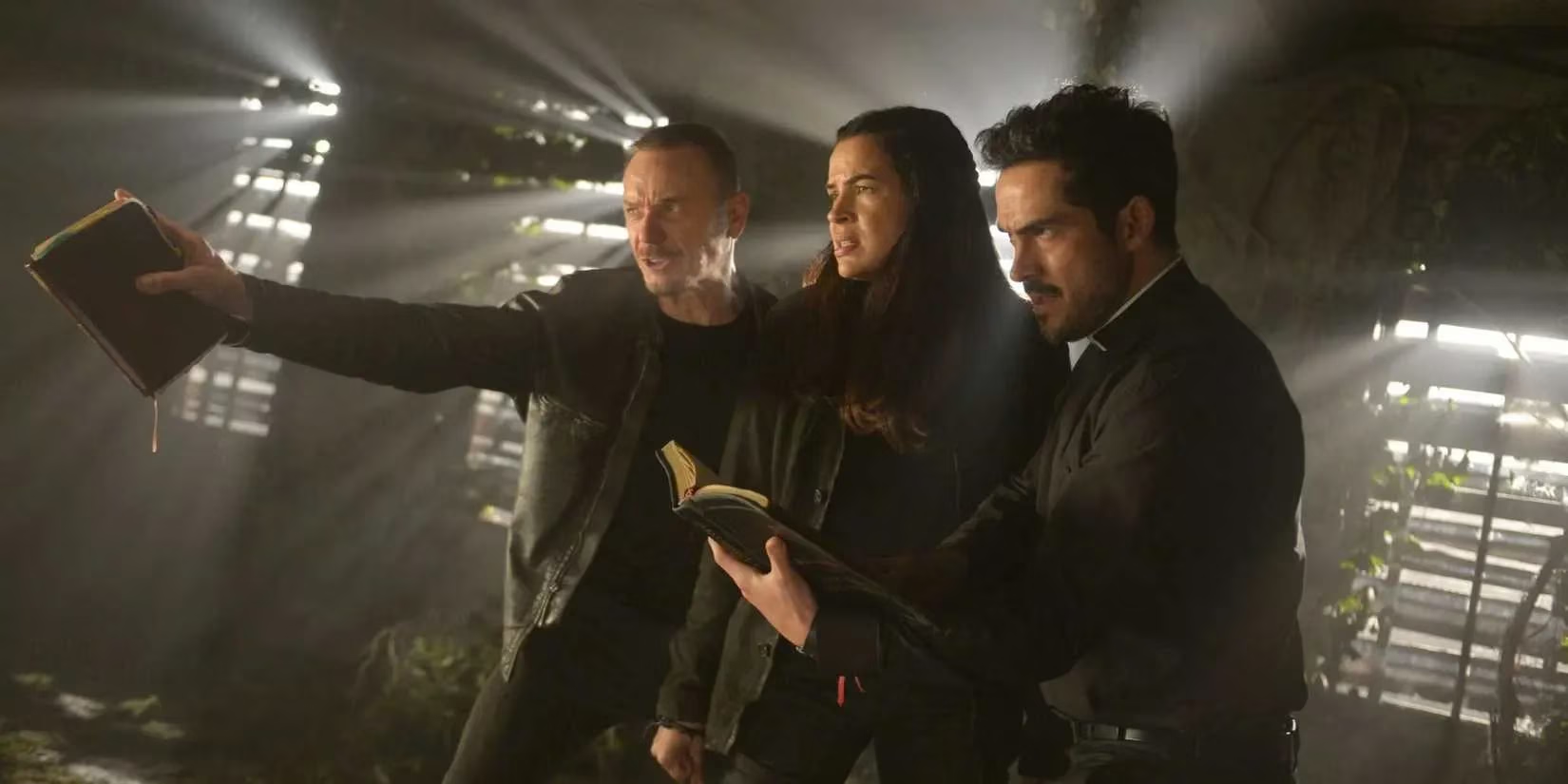
So, where does that leave us in 2026? The TV show is a beloved, canceled cult classic. The sequel films since the show ended have been... well, let's just say they haven't recaptured the magic. But you know what? I haven't given up hope on this franchise yet. There's a buzz in the air because Mike Flanagan is set to direct the next Exorcist movie. If anyone gets how to blend profound human drama with supernatural horror, it's him. Look at his work on The Haunting of Hill House or Midnight Mass. He has that same respectful, character-driven approach that made the TV series so special. He's not one for cheap cash-grabs.
In a way, the TV show proved the blueprint for a successful modern Exorcist story: respect the source, deepen the lore, and above all, make us care about the people fighting the darkness. It's a shame more people didn't watch it when it was on, but for those of us who did, it remains a high-water mark. It was the sequel that remembered the original's power didn't just come from a spinning head, but from the very human fear of losing what you love most. And that's a kind of horror that never gets old.
| Aspect | The Exorcist (1973 Film) | The Exorcist (2016 TV Series) |
|---|---|---|
| Core Strength | Groundbreaking cinematic horror, cultural landmark | Character-driven drama within a horror framework |
| Sequel Approach | N/A (The Original) | Direct sequel to the 1973 film, ignored other movies |
| Critical Reception | Oscar-nominated, legendary status | 89% on Rotten Tomatoes, critical acclaim |
| Legacy | Launched a franchise | The franchise's best and most respectful sequel |
Maybe, just maybe, Mike Flanagan's new film will walk the path this brilliant show paved. A fan can dream, right? In the meantime, if you've never seen it, the show is out there waiting. It's the Exorcist sequel that actually deserved a longer life.