 MovieSequelHub
In the vast, sun-scorched landscape of the Western genre, sequels have often been viewed with the same suspicion as a stranger riding into town with a hidden past. While the cinematic trail is littered with disappointing follow-ups that failed to capture the spirit of their predecessors, a select few have not only honored the original but carved out their own legendary status. As we look back from the vantage point of 2026, these films stand as monuments to the idea that a great story can have a second, or even third, act. They range from epic conclusions to long-awaited stories, from comedic adventures to genre-bending classics, proving that the West's stories are never truly finished.
The Magnificent Return and Reluctant Heroes
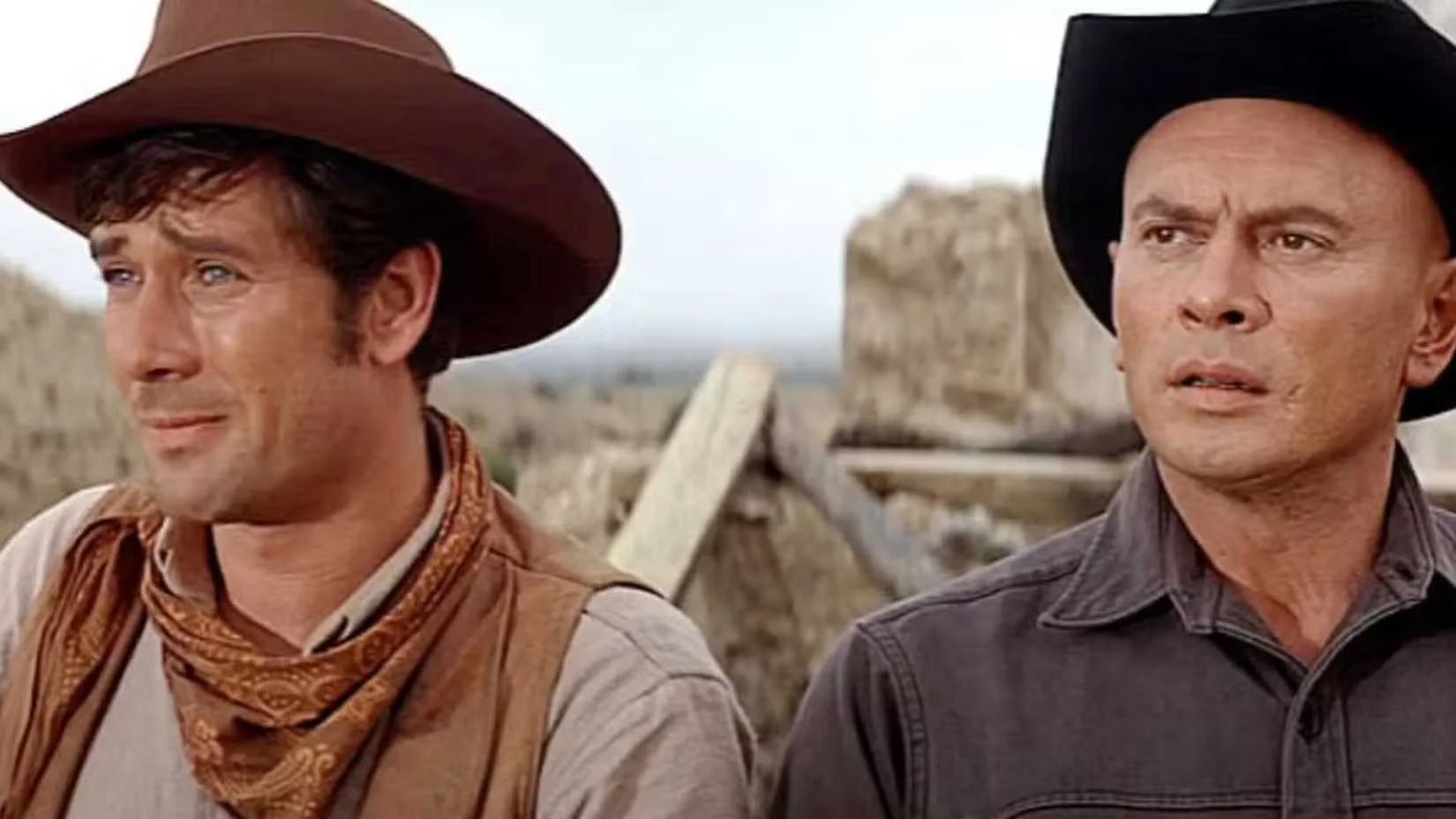
It seems almost paradoxical that a film about sacrifice, like The Magnificent Seven, would spawn a sequel titled Return of the Seven. After all, four of the titular gunslingers met their end defending a town. Yet, the 1966 sequel, with Yul Brynner as the sole returning star, found a compelling way to continue the mythos. The plot cleverly reassembles a new band of seven, blending the three survivors with fresh faces, once again answering the call to protect the defenseless. This film demonstrated that the spirit of the Seven—the code of the hired gun with a heart—could live on beyond any single group of men.
This theme of reluctant heroism found a brilliant comedic counterpart in the Trinity series. Trinity is Still My Name, the 1971 sequel to They Call Me Trinity, doubled down on the formula that made the first film a hit. The lazy but deadly brothers, played to perfection by Terence Hill and Bud Spencer, are once again thrust into the role of protectors. This time, they aid a pioneer family against gun-runners. The genius of these films lies in their seamless blend of slapstick humor and thrilling action, a delightful spaghetti Western spoof that never takes itself too seriously.
| Film | Year | Key Returning Element |
|---|---|---|
| Return of the Seven | 1966 | Yul Brynner's character & the "protect the town" premise |
| Trinity is Still My Name | 1971 | The brother duo & the comedic reluctant-hero dynamic |
Closure and Continuation: Concluding Arcs
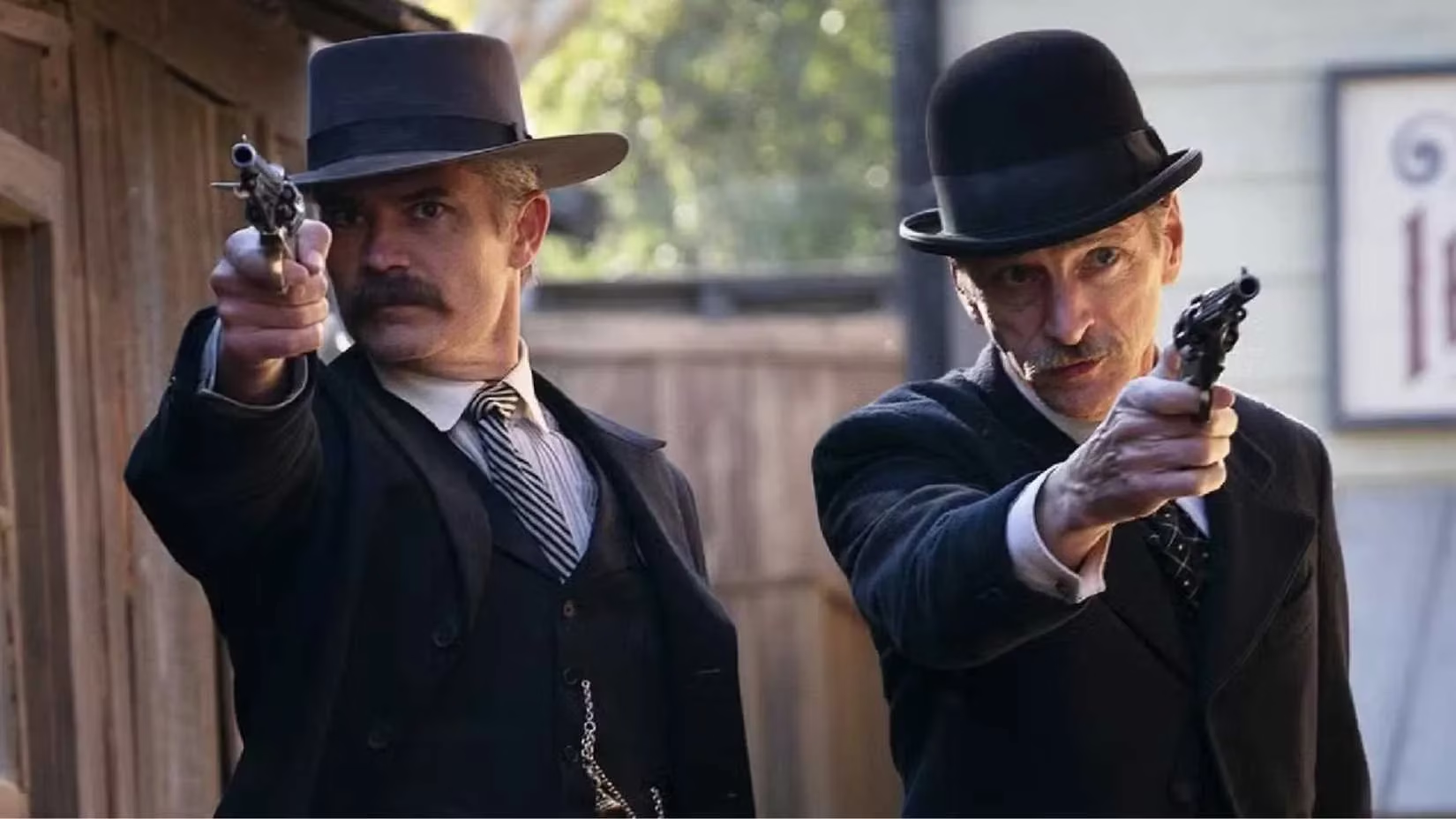
Some of the most satisfying sequels are those that provide a definitive ending, a final ride into the sunset for beloved characters. For fans of the groundbreaking HBO series Deadwood, the 2019 film Deadwood: The Movie was nothing short of a miracle. Arriving thirteen years after the series' abrupt cancellation, it brought back nearly the entire original cast for one last gathering in the burgeoning town. The film masterfully wove together lingering plot threads and character arcs, offering the closure fans had craved for over a decade. Remarkably, it also functions as a superb standalone Western drama, accessible even to those who never walked the muddy streets of the series.
Similarly, Young Guns II (1990) served as a poignant coda to the story of Billy the Kid and his Regulators. Picking up the tale of the infamous Brat Pack posse, the sequel chronicles Billy's final days as he is pursued by his former friend, Pat Garrett. The film succeeds by focusing on the inevitable end of the outlaw's journey, exploring themes of myth, legacy, and the elusive price of freedom. It gave the youthful energy of the first film a dose of tragic, historical weight.
The Unofficial Legacies: Dollars, Django, and Zorro
Perhaps no figure embodies the "unofficial sequel" better than Clint Eastwood's Man with No Name. While A Fistful of Dollars (1964) reinvented the Western hero, its follow-up, For a Few Dollars More (1965), perfected the formula. Eastwood returned as a similarly mysterious, morally ambiguous bounty hunter, this time partnering with the vengeful Colonel Mortimer (Lee Van Cleef). This film deepened the stylistic and thematic groundwork of the first, leading directly to the crowning achievement of the so-called Dollars Trilogy: The Good, the Bad and the Ugly (1966). This epic tale of three men hunting for Confederate gold during the Civil War is frequently cited as the greatest Western sequel—and one of the greatest Westerns—ever made. Its influence is immeasurable, cementing Eastwood's star and Sergio Leone's directorial legend.
In a similar vein, the gritty Django (1966) spawned a legion of imitators, but only one official sequel: Django Strikes Again (1987). Franco Nero reprised his role two decades later, now playing a monk forced to abandon peace to rescue his kidnapped daughter. This belated follow-up connected the violent, cult-favorite original to a new generation.
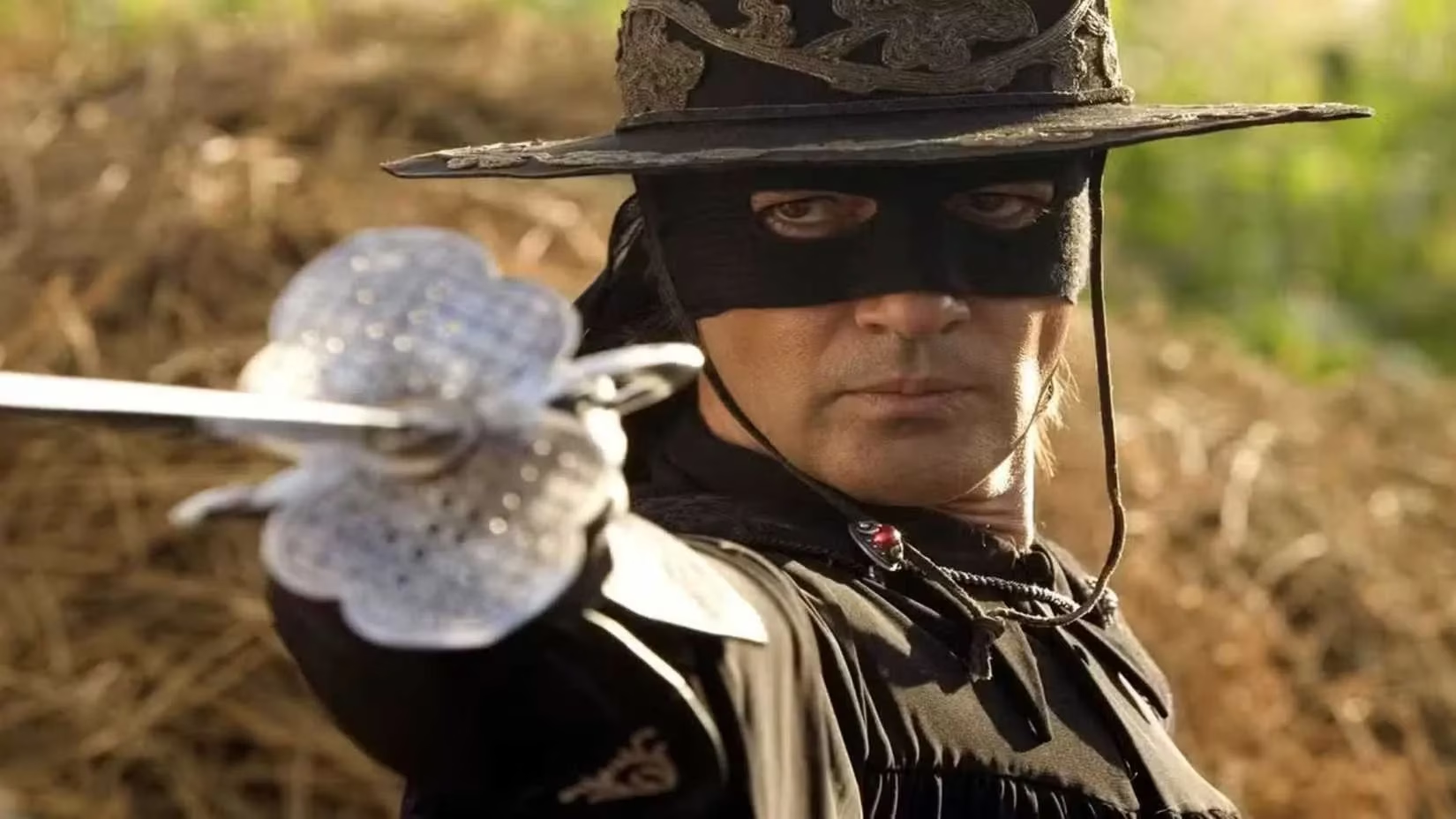
Switching from grim realism to swashbuckling adventure, the Zorro franchise found new life with Antonio Banderas. 1998's The Mask of Zorro was a triumphant revival, and its 2005 sequel, The Legend of Zorro, continued the story with a domestic twist, pitting a divorced Zorro against a sinister plot while trying to win back his wife, Elena (Catherine Zeta-Jones). Though it didn't quite match the critical acclaim of its predecessor, it retained the franchise's spirited charm and fan base.
Genre-Bending and Actor Swaps
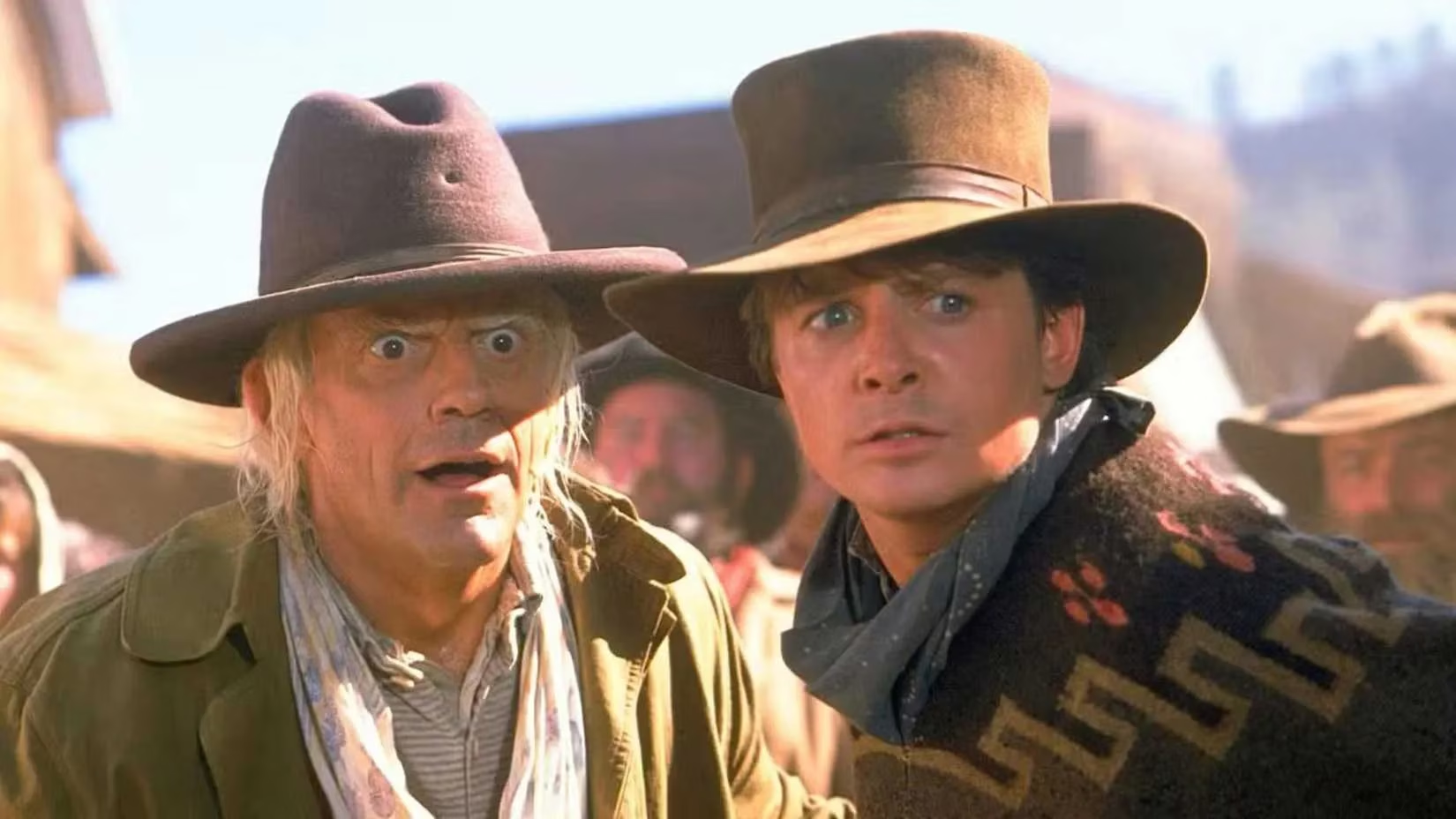
Some of the most interesting Western sequels are those that play with the formula itself. Back to the Future Part III (1990) famously transported its time-traveling heroes to 1885, effectively making it a sci-fi Western sequel. Marty McFly, stranded in the Old West, must navigate a world without modern technology, leading to hilarious and thrilling encounters with classic Western tropes. The film proved the genre's settings and conventions were versatile enough to host a beloved franchise from a completely different genre.
Then there are the sequels that boldly recast their leads. Adiós, Sabata (1971) saw Yul Brynner step into the role of the enigmatic gunslinger originally played by Lee Van Cleef in Sabata. The sequel took the character on a new mission to steal gold from the Austrian army in Mexico, maintaining the series' stylish, violent, and morally complex tone. Ironically, Van Cleef had turned down the role to pursue a part in a Magnificent Seven sequel, creating a fascinating piece of Western casting trivia.
The Enduring Legacy 🤠
From the operatic grandeur of The Good, the Bad and the Ugly to the long-awaited resolution of Deadwood: The Movie, these sequels demonstrate that a return to the well can yield refreshing and profound results. They achieved this not merely through repetition, but by:
-
Expanding the mythology (e.g., Return of the Seven, Django Strikes Again)
-
Providing narrative closure (e.g., Young Guns II, Deadwood: The Movie)
-
Exploring new tonal territory (e.g., the comedy of Trinity, the sci-fi of Back to the Future III)
-
Deepening established archetypes (e.g., the Dollars Trilogy evolving the Man with No Name)
These films remind us that the Western frontier, in cinematic terms, is never fully settled. New stories can be told on familiar ground, and old heroes can ride again, sometimes to finish their journey, and sometimes to start a whole new legend. They stand as essential viewing for any fan of the genre, proving that a great sequel, like a seasoned gunslinger, knows when to honor tradition and when to draw its own path.