 MovieSequelHub
The 1980s was a decade where sequels not only flourished but often surpassed their originals, creating timeless classics that defined pop culture. 🎬 Each year brought a standout follow-up that expanded universes, introduced new legends, and delivered unforgettable twists, cementing this era as the pinnacle of cinematic evolution. From sci-fi epics to action thrillers, these films didn't just continue stories—they redefined them, captivating audiences with grander scales and deeper characters. By 2025, many of these sequels remain benchmarks, their legacies enduring through modern reboots and streaming revivals. This journey through the '80s reveals how these masterpieces elevated franchises and why they're still celebrated today.
1980: The Empire Strikes Back
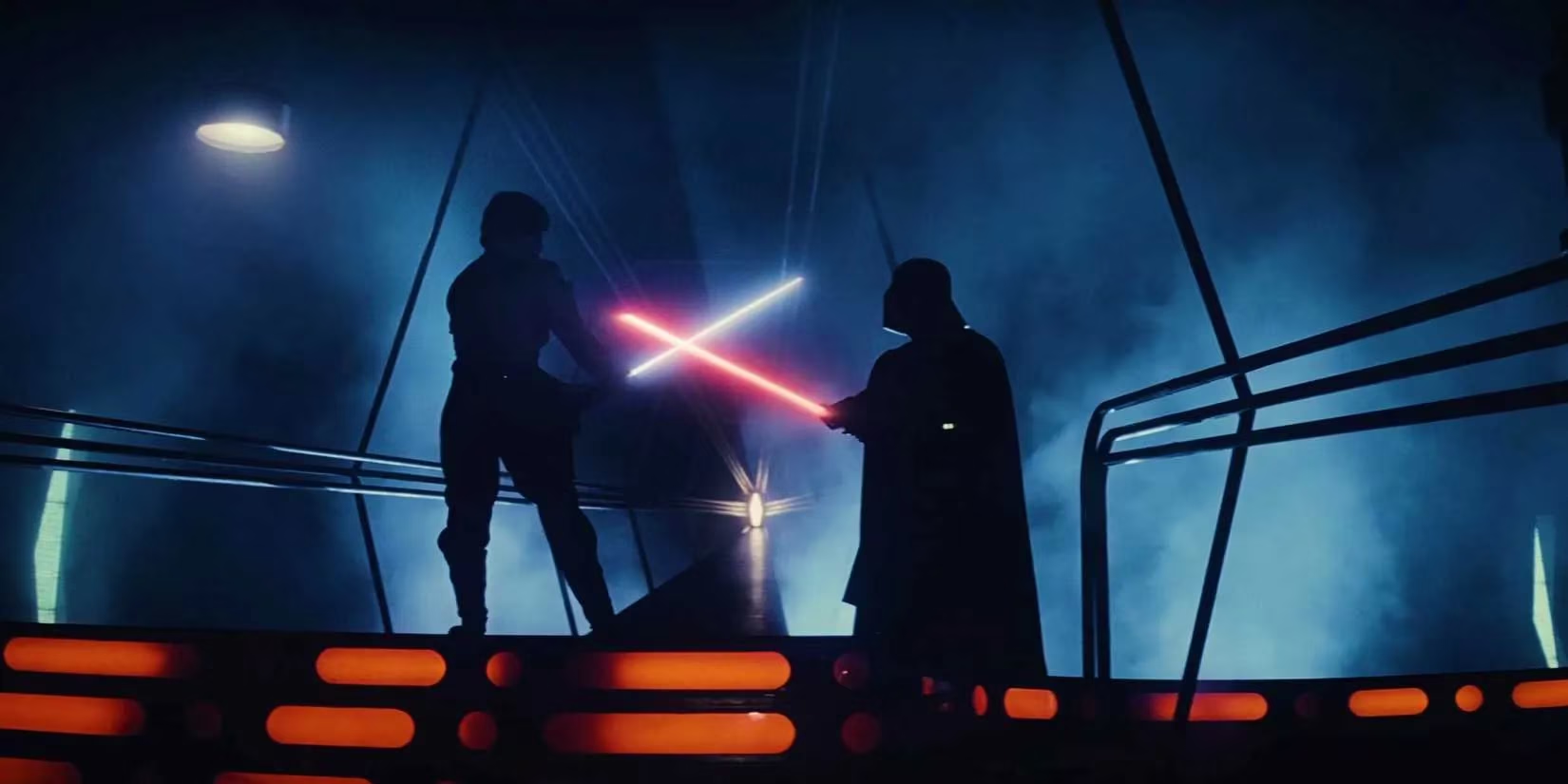
In the dawn of the decade, The Empire Strikes Back emerged as a groundbreaking sequel that outshone its predecessor, Star Wars. Directed by Irvin Kershner, it amplified the saga's scale with epic battles, expanded lore, and introduced iconic figures like Yoda. The film's legendary twist—revealing Darth Vader as Luke Skywalker's father—became one of cinema's most shocking moments, weaving emotional depth into the galactic conflict. By 2025, it's still hailed as the best Star Wars film ever, proving that sequels can elevate franchises to new heights. People Also Ask: Why is this considered the best sequel of 1980? It masterfully balanced action, character development, and plot innovation, setting a template for all future sci-fi epics.
1981: Mad Max 2: The Road Warrior
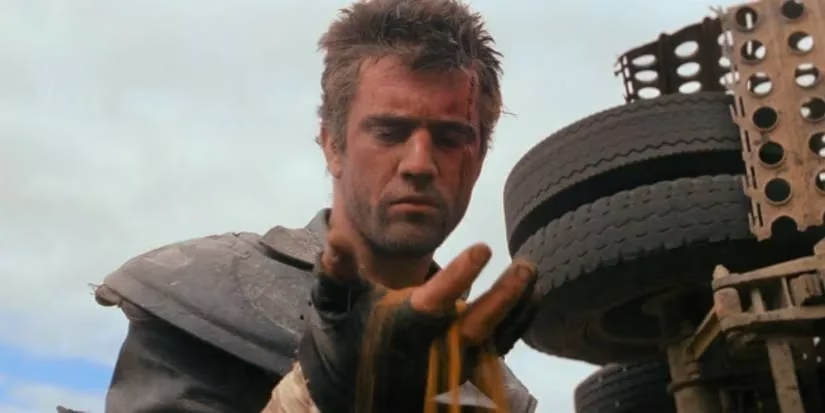
The following year saw Mad Max 2: The Road Warrior dominate with its gritty, high-octane action. Starring Mel Gibson as the titular hero, the sequel improved on the original by focusing on Max's quest to help settlers fend off marauders in a post-apocalyptic wasteland. Its relentless chase sequences and practical effects earned Saturn Award nominations and cemented it as one of history's greatest action films. Fast-forward to 2025, and its influence persists in dystopian genres. 😎 People Also Ask: How did this sequel enhance the franchise? By refining the action and storytelling, it turned a cult classic into a mainstream phenomenon.
1982: Star Trek II: The Wrath of Khan
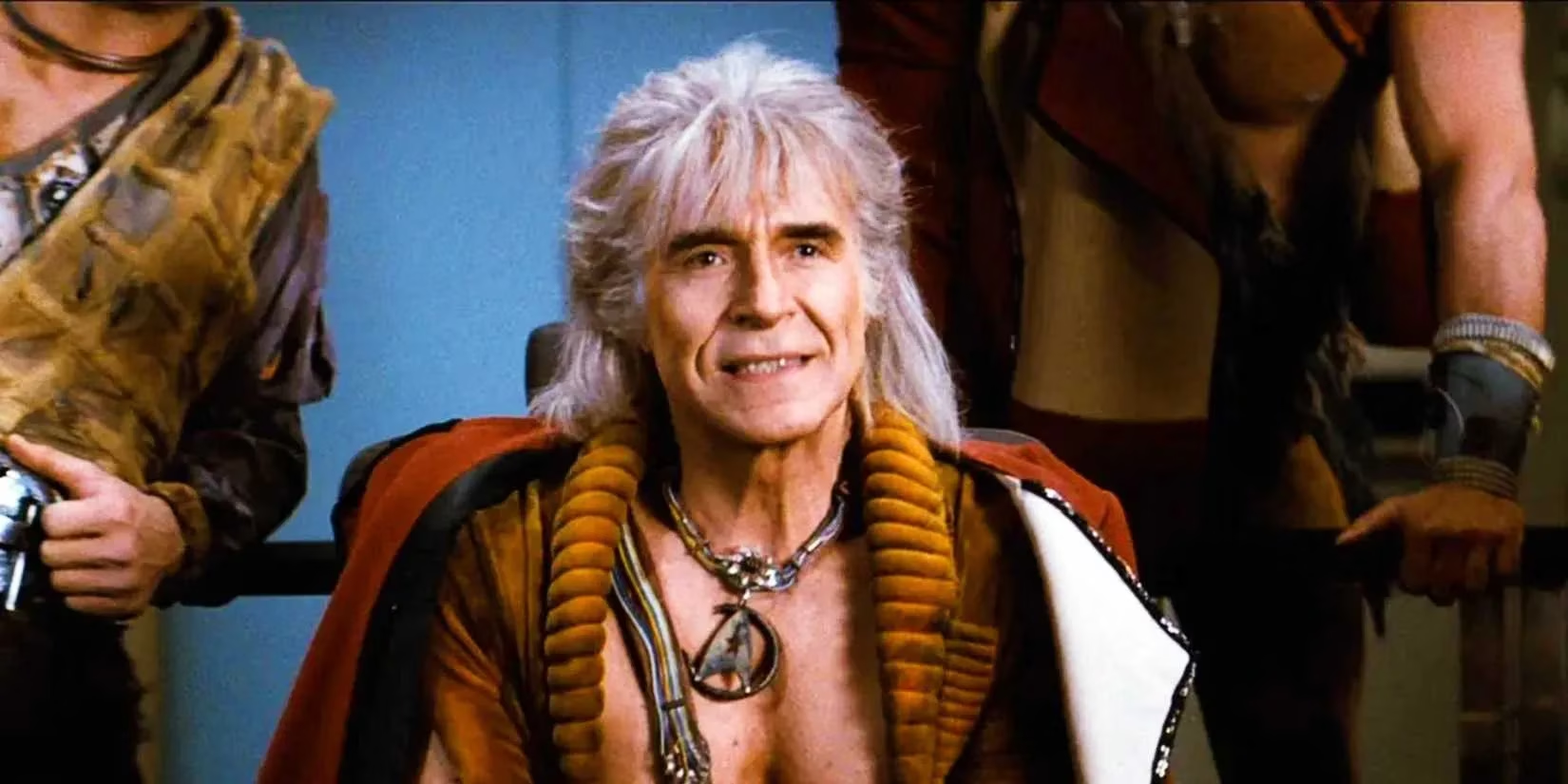
Star Trek II: The Wrath of Khan revolutionized its series in 1982, fixing the slow pace of the first film with intense space battles and emotional stakes. Ricardo Montalbán's portrayal of Khan delivered a villain so iconic that he was resurrected decades later in Star Trek Into Darkness. The story deepened the bond between Captain Kirk and Spock, culminating in a heart-wrenching sacrifice that resonated with fans. Today, it's revered as the pinnacle of the franchise, with its themes of friendship and loss still relevant in 2025. 🚀 People Also Ask: What makes this the best Star Trek sequel? Its blend of action, character arcs, and Montalbán's performance created an unmatched cinematic experience.
1983: Return of the Jedi
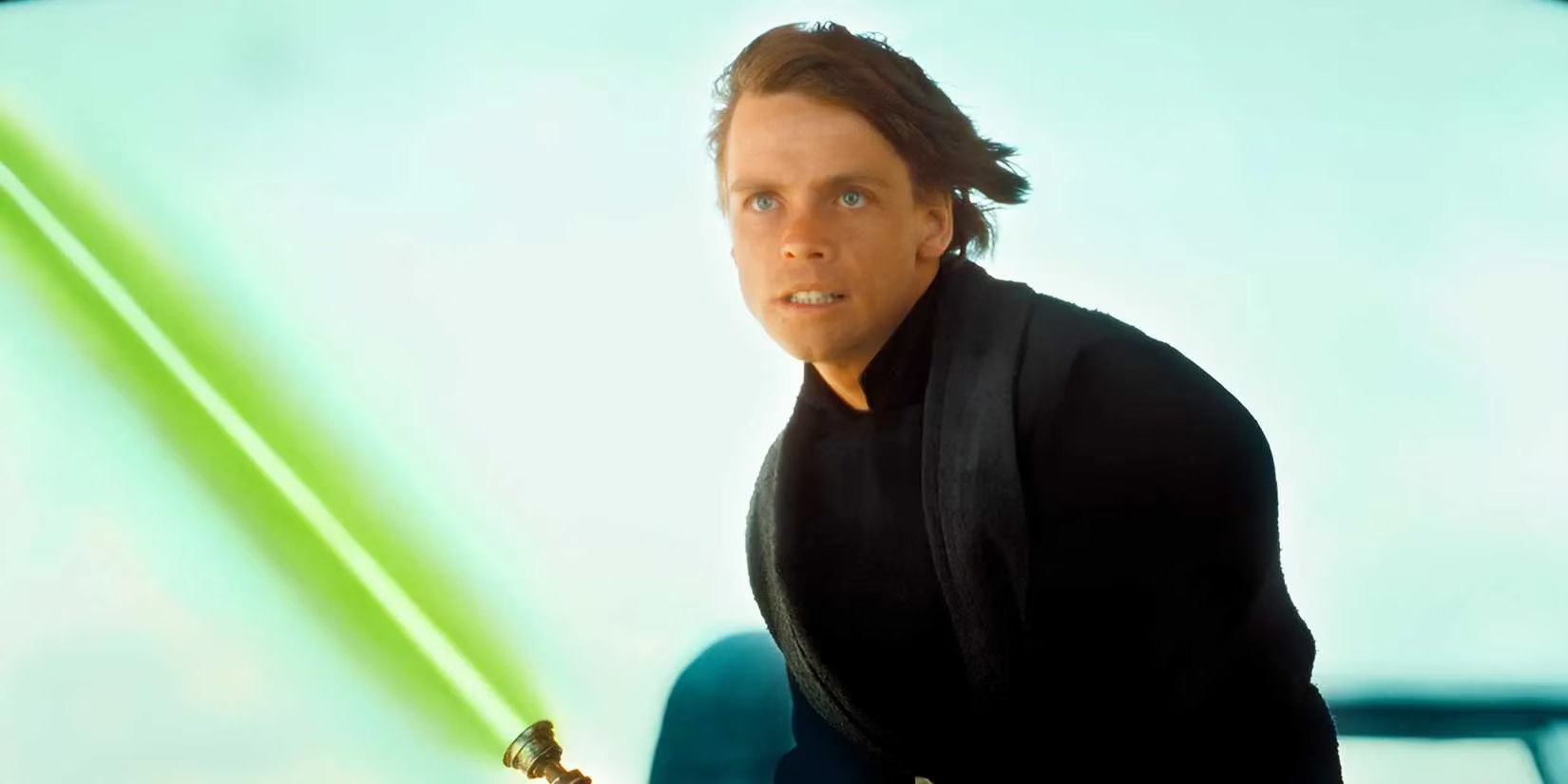
Despite a year of disappointing sequels, Return of the Jedi shone brightly in 1983, concluding the original Star Wars trilogy with a climactic duel between Luke Skywalker and Darth Vader. The emotional reconciliation and redemption of Anakin Skywalker added profound layers, turning Vader into the saga's most complex character. Though criticized for elements like the Ewoks, its masterful execution in pivotal scenes ensures its place among the greatest sequels. In 2025, it's celebrated for its narrative closure and cultural impact. ✨ People Also Ask: Why is this film still beloved? It wrapped up an epic saga with emotional depth and iconic moments that defined a generation.
1984: Indiana Jones and the Temple of Doom
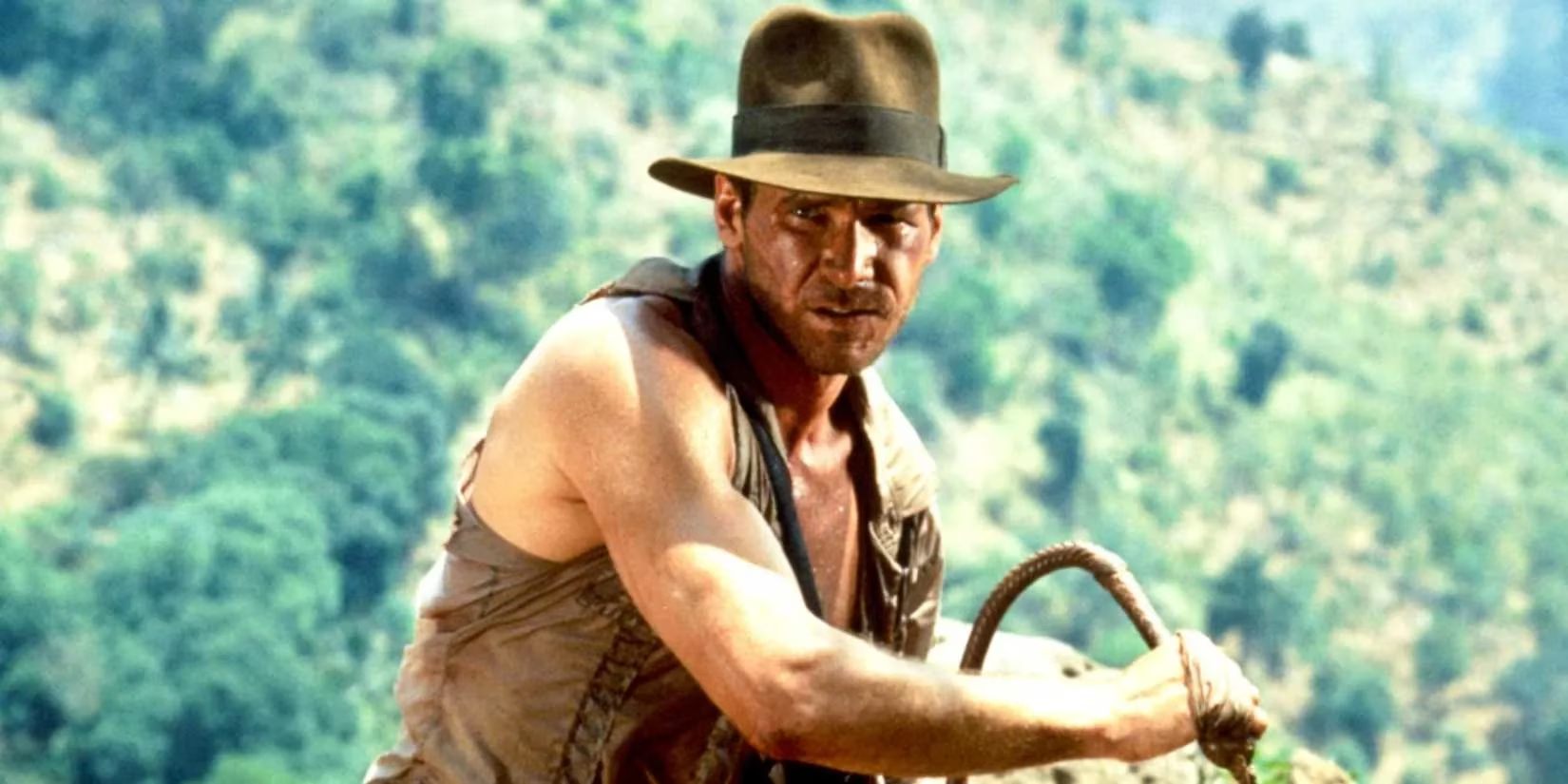
1984 was a year for launching franchises, but Indiana Jones and the Temple of Doom stood out as a thrilling sequel. Directed by Steven Spielberg, it showcased Harrison Ford's confident portrayal of the adventurer, with Ke Huy Quan adding charm as Short Round. Despite initial mixed reviews, its stylized action and exotic settings have aged well, earning it appreciation over time. By 2025, it's recognized for expanding the Indiana Jones universe with bold creativity. 🌍 People Also Ask: How did this film influence adventure sequels? By pushing boundaries in action and character dynamics, it set a high bar for genre evolution.
1985: Rocky IV

Rocky IV captured 1985 with its emotional punch, as Rocky Balboa faced the Soviet powerhouse Ivan Drago after Apollo Creed's death. Dolph Lundgren's menacing performance and the film's training montages created a gripping narrative that pulled audiences in. It may seem simplistic, but its raw intensity made it a box office hit and a cultural touchstone. Fast-forward to 2025, it's lauded for its motivational themes and Cold War resonance. 💪 People Also Ask: What made this sequel resonate so deeply? Its blend of personal loss and underdog triumph tapped into universal emotions, making it timeless.
1986: Aliens
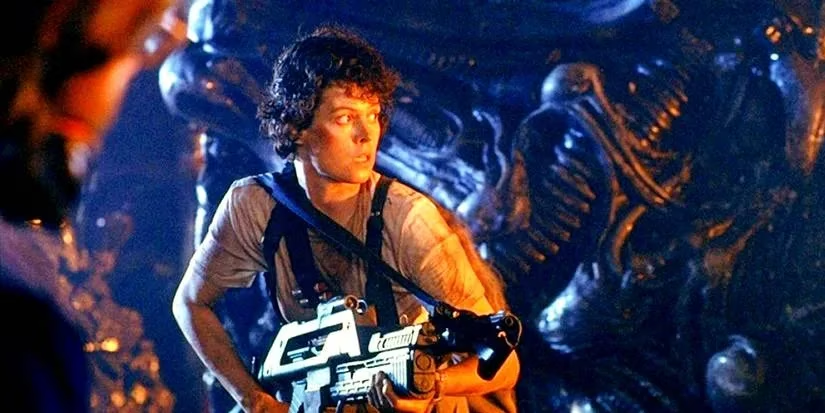
Aliens transformed the horror of the original into a sci-fi action masterpiece in 1986, with James Cameron at the helm. Sigourney Weaver's Ripley returned stronger, forming a heartfelt bond with a young girl amid explosive xenomorph battles. Its innovative sequences earned a 94% Rotten Tomatoes score and acclaim as one of the best sequels ever. By 2025, it remains influential in action cinema. 👾 People Also Ask: Why is Aliens often called the perfect sequel? By evolving the genre while deepening character arcs, it set new standards for sci-fi thrillers.
1987: Evil Dead II
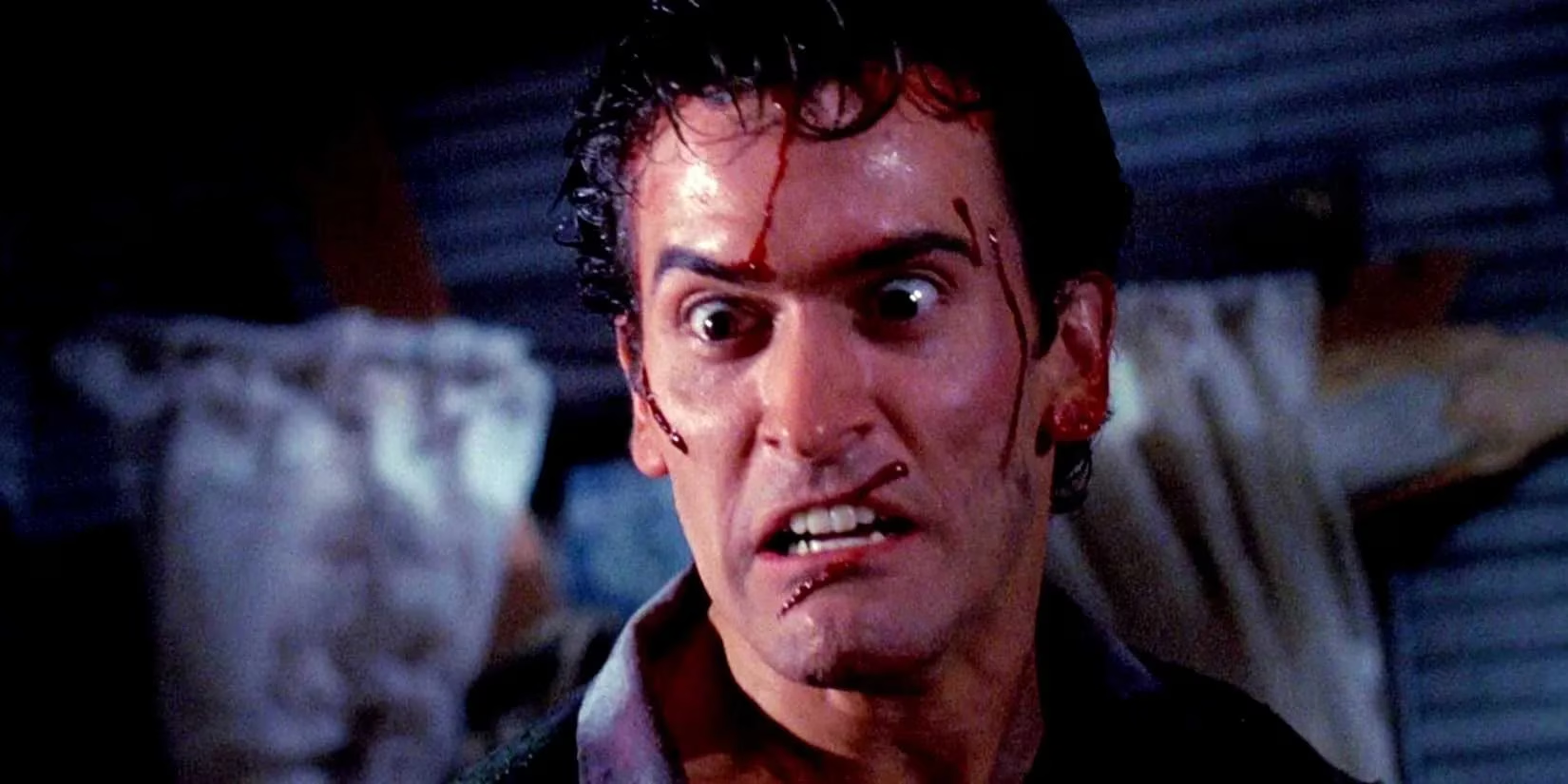
Evil Dead II reinvented its franchise in 1987, shifting from pure horror to dark comedy. Sam Raimi's direction and Bruce Campbell's iconic Ash Williams turned a retelling of the original into a pop-culture phenomenon, with slapstick gore and sharp wit. The film's practical effects and Campbell's performance made it a critical darling, improving on its predecessor. In 2025, it's cherished for its genre-blending innovation. 😂 People Also Ask: How did this sequel change horror comedy? By adding humor to terror, it created a blueprint for future hits like Shaun of the Dead.
1988: Hellbound: Hellraiser II
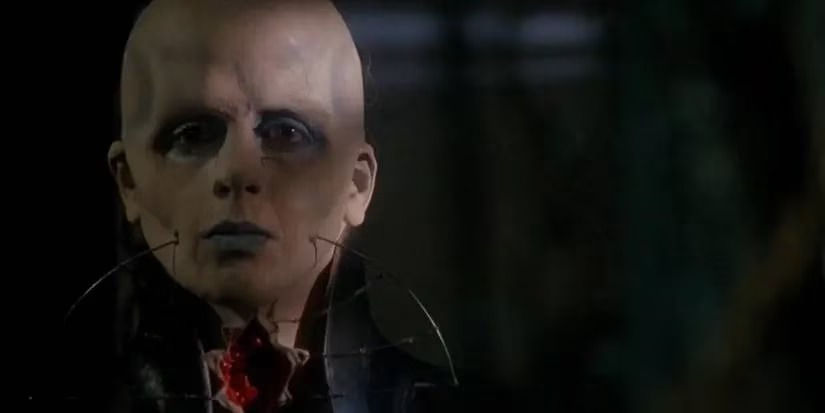
Amid a sparse year for sequels, Hellbound: Hellraiser II stood out in 1988, continuing Clive Barker's twisted tale of Kirsty Cotton in a psychiatric hospital. While not matching the original's brilliance, its nightmarish visuals and psychological scares earned praise. By 2025, it's appreciated for expanding the horror lore with unique storytelling. 🕯️ People Also Ask: What makes this sequel memorable? Its daring exploration of trauma and surreal horror elements kept it relevant decades later.
1989: Back to the Future Part II
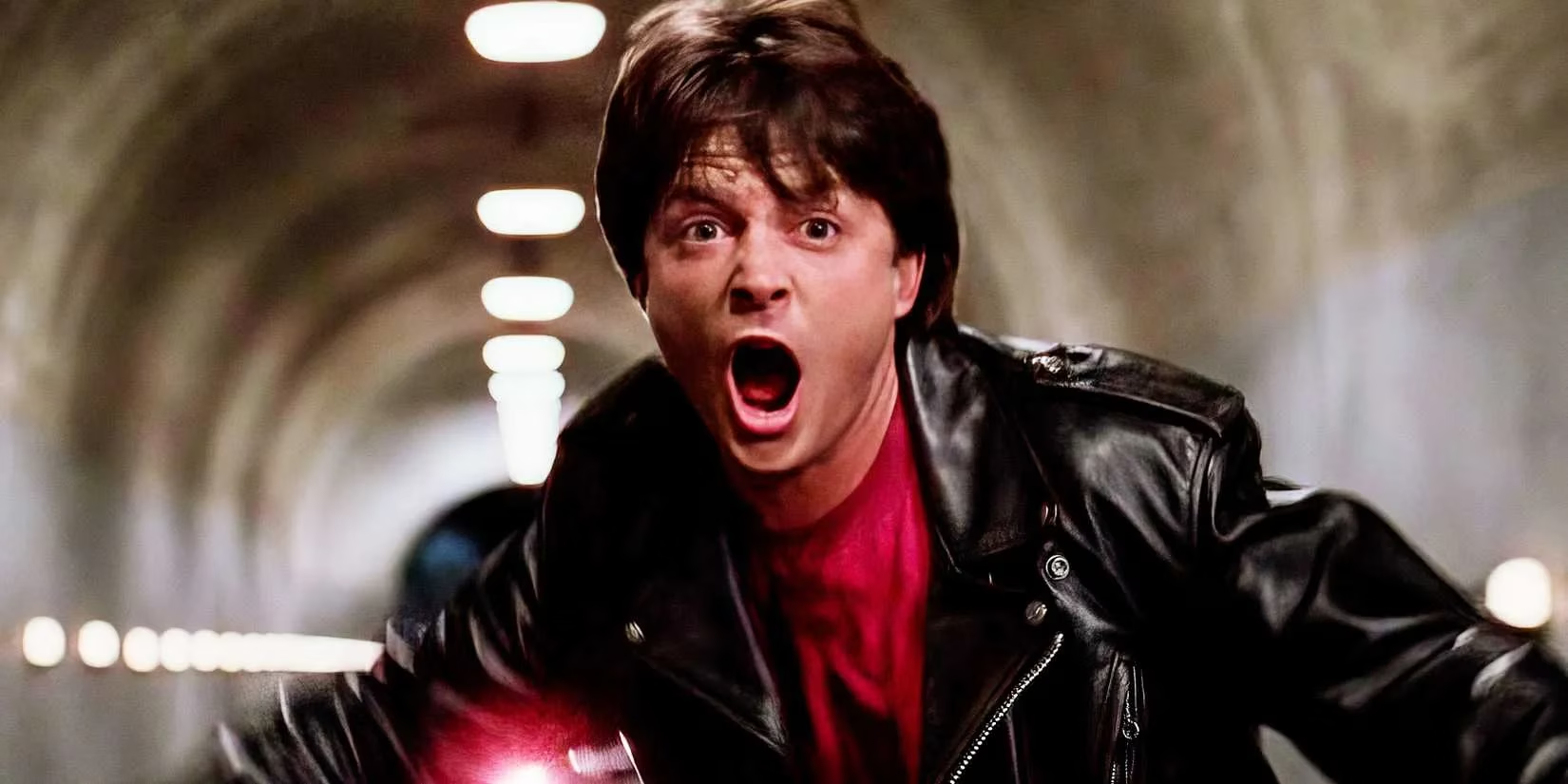
Closing the decade, Back to the Future Part II dazzled in 1989 with its futuristic vision of 2015, as Marty McFly and Doc Brown tackled time-travel dilemmas. Directed by Robert Zemeckis, it grossed over $300 million and became a beloved follow-up for its fun, imaginative take on technology and family dynamics. In 2025, its predictions and humor remain iconic. ⏳ People Also Ask: Why is this sequel a fan favorite? Its blend of adventure, comedy, and speculative futurism offered pure entertainment that still delights audiences.
Summary of the Decade's Impact
To recap, the 1980s produced sequels that not only succeeded but often defined their genres. Here's a quick overview:
| Year | Sequel Title | Key Innovation | Legacy in 2025 |
|---|---|---|---|
| 1980 | The Empire Strikes Back | Iconic plot twist and character depth | Still ranked as top sci-fi film |
| 1981 | Mad Max 2: The Road Warrior | Elevated action sequences | Influences modern dystopian films |
| 1982 | Star Trek II: The Wrath of Khan | Emotional depth and villain excellence | Best in franchise history |
| 1983 | Return of the Jedi | Epic saga conclusion | Revered for narrative closure |
| 1984 | Indiana Jones and the Temple of Doom | Bold adventure style | Appreciated for creative risks |
| 1985 | Rocky IV | High-stakes emotional drama | Motivational icon in sports cinema |
| 1986 | Aliens | Genre evolution to action | Benchmark for sci-fi thrillers |
| 1987 | Evil Dead II | Horror-comedy fusion | Blueprint for genre hybrids |
| 1988 | Hellbound: Hellraiser II | Psychological horror expansion | Cult classic in streaming eras |
| 1989 | Back to the Future Part II | Futuristic fun and time-travel | Nostalgic favorite with enduring appeal |
These films collectively show how the '80s turned sequels into art forms, with each building on lore while introducing fresh elements. Today, they inspire countless remakes and discussions, proving that great storytelling transcends time. 🏆
FAQ: People Also Ask About 1980s Sequels
- What made 1980s sequels better than originals?
Many upped the ante with larger scales, deeper characters, and innovative twists, like The Empire Strikes Back's Vader reveal or Aliens' shift to action.
- Which sequel is considered the best of all time?
The Empire Strikes Back often tops lists for its cultural impact and storytelling, though Aliens and Back to the Future Part II are close contenders.
- How have these sequels influenced modern cinema?
They set templates for franchise building—e.g., Mad Max 2's action choreography inspires today's blockbusters, and Evil Dead II's humor shapes horror-comedies.
- Are any of these sequels getting remakes or reboots in 2025?
Yes, franchises like Star Trek and Indiana Jones have recent installments, but the '80s originals remain benchmarks for quality.
- Why do some sequels from the '80s still resonate today?
Their timeless themes of heroism, redemption, and innovation connect across generations, aided by strong performances and visionary direction.
Reflecting on this golden era, the 1980s proved that sequels could be more than cash grabs—they could be masterpieces that shape cinema forever. 😊