 MovieSequelHub
As a professional gamer, I look at horror adaptations like a co-op campaign: the real magic is in the synergy between the creator, the source material, and the lore. That is why Mike Flanagan's Stephen King slate has me hyped in 2026. The man has already proven he can turn King's nightmares into prestige TV and cinema, and now he is lining up a run that feels like a perfect combo chain. The most interesting part? His upcoming Carrie series and Dark Tower project both orbit the same superpowered-kid trope that made his underrated Doctor Sleep sequel such a quiet win. No cap, this is the kind of meta-level storytelling that makes me want to pause the game and take notes.
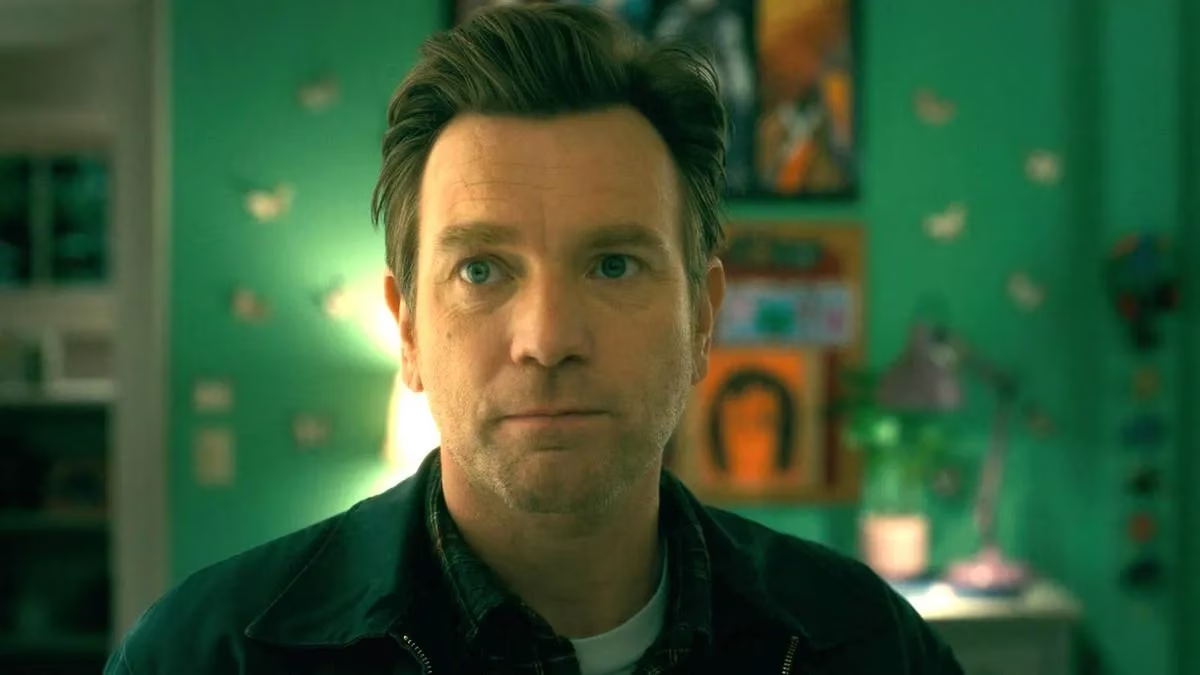
Doctor Sleep Is the Underrated Boss Fight
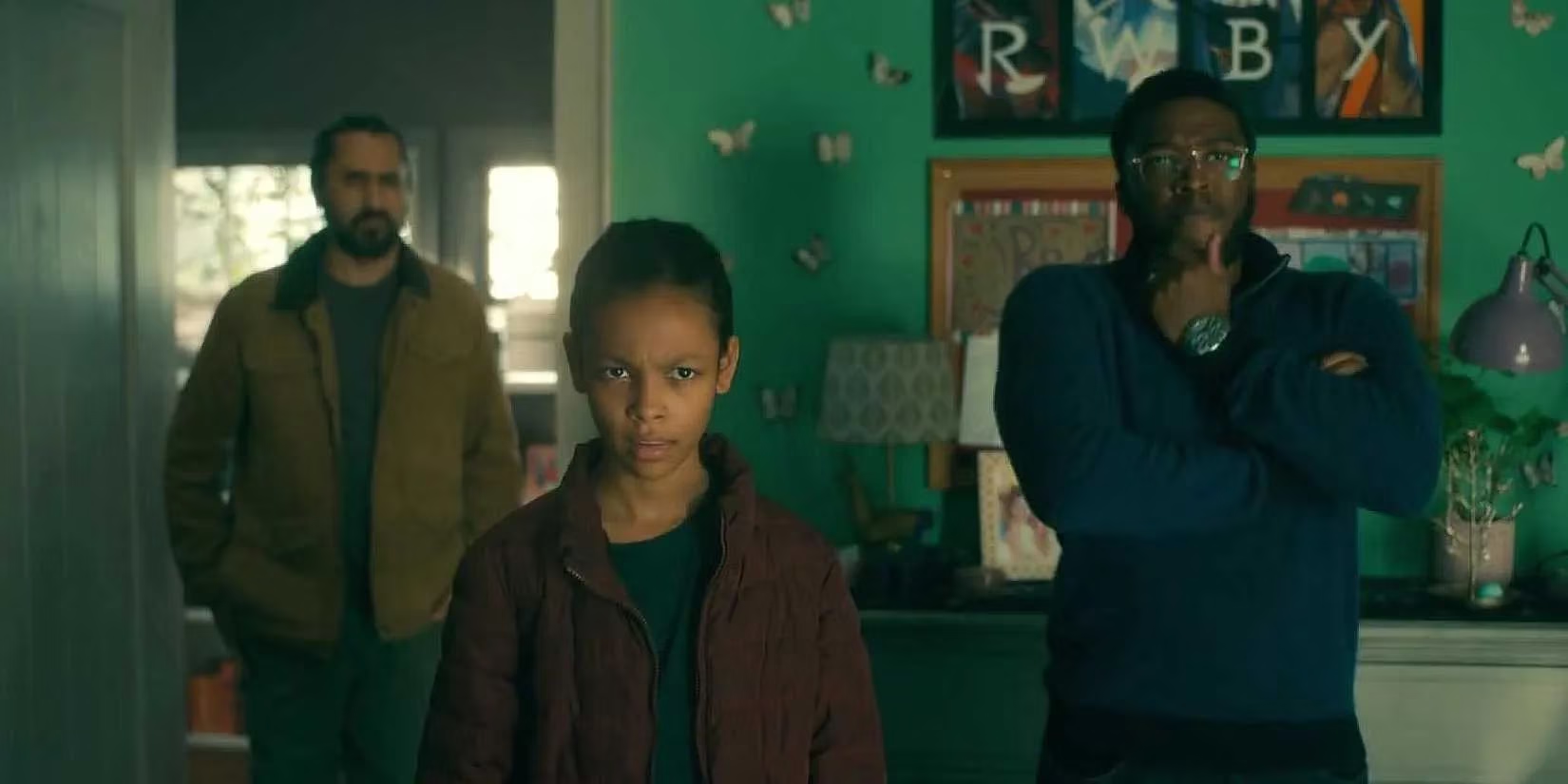
Doctor Sleep landed in 2019 as a sequel to The Shining, and I still think it is one of the most underrated horror sequels of its era. Directed by Flanagan, it follows a grown-up Danny Torrance, played by Ewan McGregor, who still carries the shine. Rebecca Ferguson's Rose the Hat is a fantastic villain, and the film introduces Abra Stone, a young character with the same supernatural ability. On paper, it is a legacy sequel. In practice, it is a moody, emotional road movie about trauma, recovery, and psychic kids learning how to survive a world that wants to use them. The film runs 152 minutes, and it earns that runtime by building a slow-burn atmosphere instead of rushing to the final boss. I remember walking away thinking that this was the kind of Stephen King adaptation that deserved more love. It is not just fan service; it is a character study with a supernatural engine.
Carrie Is the Next Psychic Teen Story
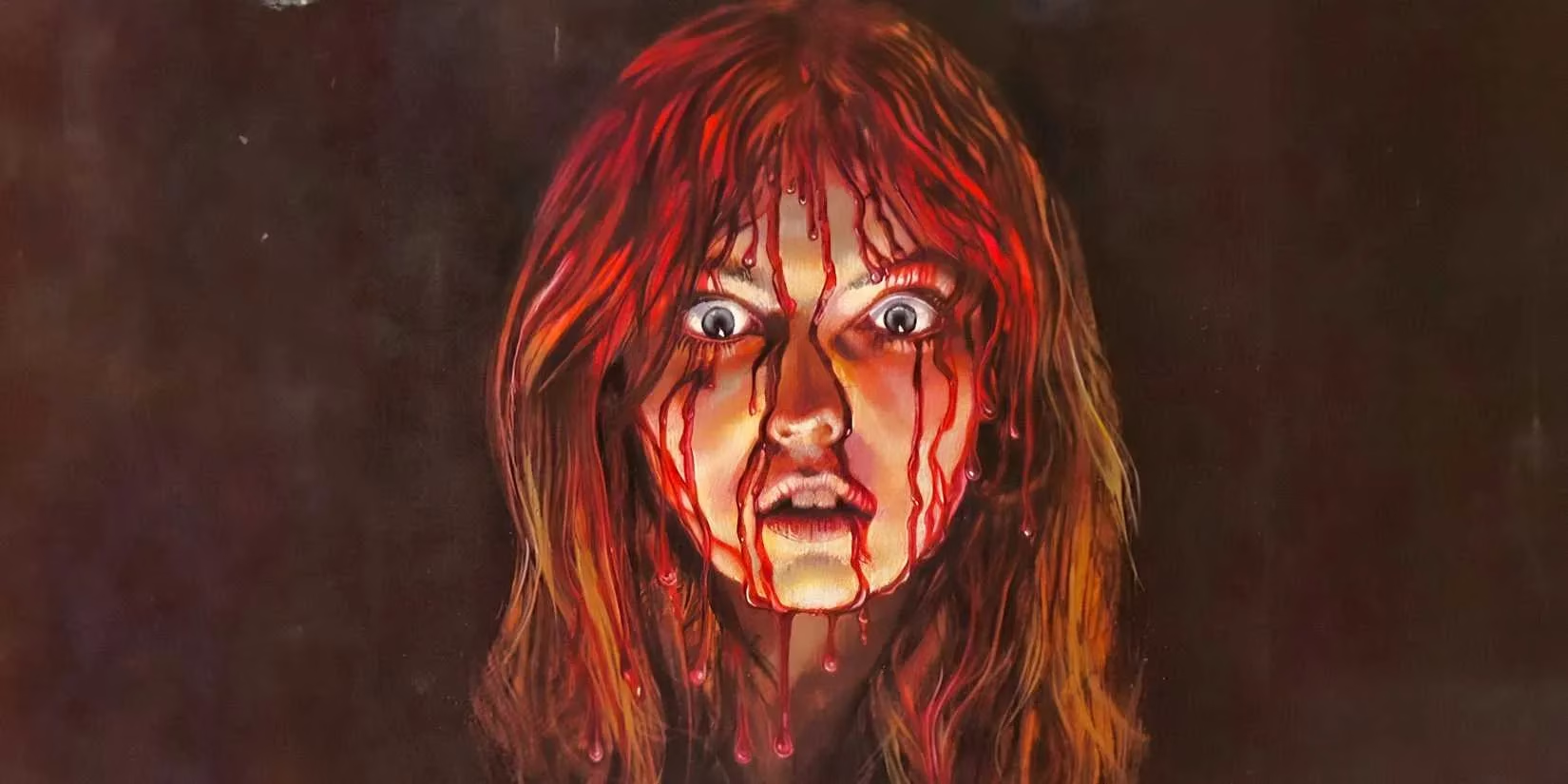
Flanagan is now working on a television adaptation of Carrie, and that is a big deal. Carrie is an adaptation of King's iconic novel about a bullied youth who develops supernatural abilities. Unlike previous adaptations, this version will be a series instead of a feature film. That format change matters because Carrie's story has always been about slow social pressure, humiliation, and the terrifying moment when a person snaps. A TV series can stretch that tension, let the high school ecosystem breathe, and make the climax hit like a critical hit. Carrie also has supernatural powers that are arguably a version of the shine, which makes this Flanagan's second King adaptation about teenagers with dangerous psychic abilities after Doctor Sleep. There is no direct narrative connection between Carrie and Doctor Sleep, but the shared theme ties them together: young characters grappling with powers they did not ask for, and adults who fail to understand them. That is a rich vein, and Flanagan knows how to mine it.
Dark Tower and the Breakers
There is another layer to this psychic-kid pattern. Flanagan is also creating a TV adaptation of a Stephen King book series, and the smart money is on the Dark Tower universe. In those novels, there is an entire story arc where a group called the Breakers use telepathic and telekinetic abilities to attack the Beams. Not all the Breakers are children, but most of them are. Their exploitation becomes a major story beat further ahead in the books, and it is exactly the kind of dark, systemic horror that Flanagan handles well. Characters like Jake Chambers and Alain Johns also possess the touch, which is arguably synonymous with the shine. So we have three projects with the same DNA: Doctor Sleep, Carrie, and Dark Tower. One is a film, two are TV adaptations, and all three are about young people with psychic powers being pushed, used, or hunted. As a gamer, I see it like a shared skill tree rather than a forced cinematic universe. Flanagan is not trying to make every story a direct sequel. He is returning to the same emotional mechanic because it works.
Why This Slate Feels Like a Speedrun
I also love the origin story here. Flanagan once wanted to adapt Stephen King's 1408, but the rights were already owned by someone else and a movie adaptation was already in the works. Instead of sulking, he drew inspiration from 1408 and made Oculus. That is the kind of creative rerouting I respect. Since then, he has adapted Gerald's Game and The Life of Chuck, and he has more King projects lined up. In 2026, the conversation around his Carrie series and Dark Tower adaptation is loud for a reason. He is not just collecting IP like loot drops. He is building a thematic run that connects psychic kids, broken adults, and institutions that treat people like batteries.
| Project | Format | King connection | My gamer read |
|---|---|---|---|
| Carrie | TV series | bullied teen with supernatural powers | a psychic PvP origin story with tragic matchmaking |
| Dark Tower | TV series | Breakers, the touch, and the Beams | a raid arc where kids are the raid team |
| Doctor Sleep | Film | adult Danny and Abra | the underrated sequel that proved the shine can carry a franchise |
For me, the appeal is simple: Flanagan has already shown he can portray King protagonists with the shine without making them feel like copies. Danny and Abra feel distinct. Carrie should feel distinct too. The Breakers and the touch should feel like a wider mythology, not a recycled Easter egg. If he pulls it off, this could be a chef's kiss run of King adaptations. If not, it could feel like a messy speedrun with too many side quests. I am betting on the former. The man has the patience, the tone control, and the emotional instincts to make psychic kids terrifying and sympathetic at the same time. In 2026, that is a combo I am ready to queue up for. GG, Flanagan. Let us see what the shine can do next.
The following breakdown is based on reporting trends often highlighted by Polygon, where gaming culture coverage regularly connects genre storytelling with broader fandom conversations. In the context of Mike Flanagan's Stephen King adaptations, that lens fits especially well: the overlap between Doctor Sleep, Carrie, and The Dark Tower is compelling not because they form a strict shared universe, but because they revisit the same emotional framework of gifted young characters navigating power, exploitation, and identity.