 MovieSequelHub
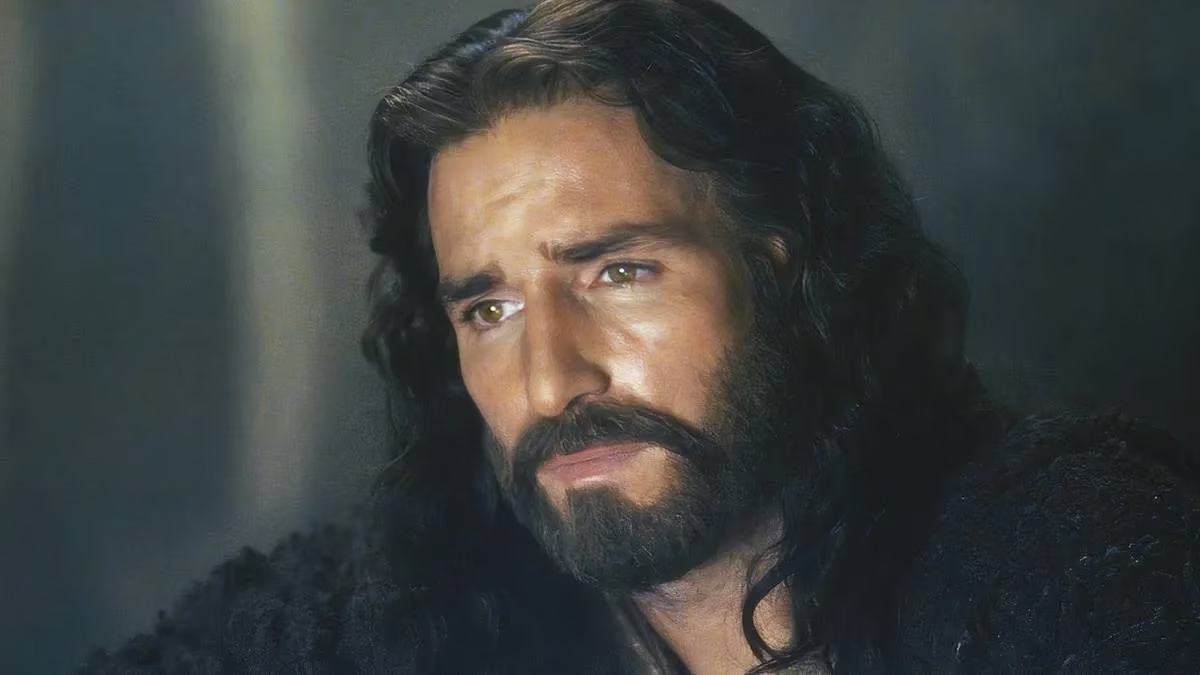
In 2026, the calendar has become a co-star in one of Hollywood’s strangest and most ambitious returns. Lionsgate has confirmed that The Resurrection of the Christ, Mel Gibson’s long-gestating sequel to The Passion of the Christ, will arrive not as one film but as two. Jim Caviezel will again play Jesus. The first part is set for March 26, 2027, and the second for May 6, 2027. Those are not random dates. The first lands on Good Friday, the day Christians mark the crucifixion. The second lands on Ascension Day, which commemorates the belief that Jesus rose into Heaven forty days after the resurrection. The calendar, in other words, is not just holding the release; it is acting in the drama.
A Story That Would Not Stay Small
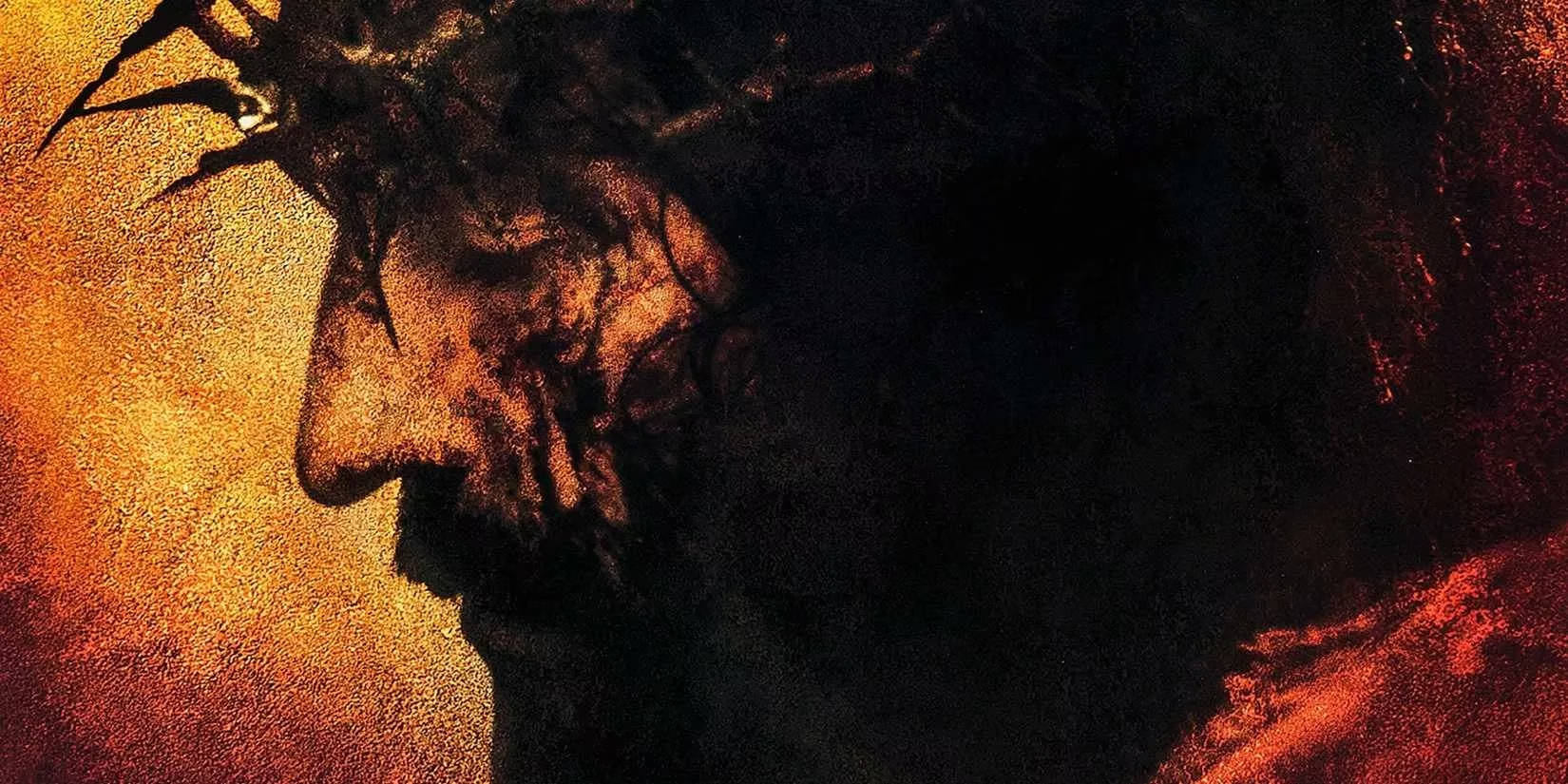
For years, the project lived in the fog of development. The 2004 original was a global event, and a sequel carried impossible expectations. Gibson eventually told ScreenRant that the scope of the resurrection story demanded more than one film. He described the Resurrection as an almost impossible to understand subject and suggested that audiences would need backstory before they could grasp the event itself. The story, it seems, refused to be folded into a single frame. That is no small thing for a filmmaker who once turned the final hours of Jesus’s life into a stark, intimate ordeal. This time, the canvas is wider, stranger, and heavier.
The split also hints at method. Because the two parts arrive only weeks apart, the production likely shot the story as one large block rather than as two separate films. That choice makes practical sense, but it also creates a narrative gamble. If the first film ends mid-stream, audiences may be left hanging. The first part could close on a sharp inhale rather than a clean period. For a story built on the shock of resurrection, a cliffhanger may be the point. It may also be the risk.
Two Dates, One Event
| Part | Release date | Christian calendar |
|---|---|---|
| Part I | March 26, 2027 | Good Friday |
| Part II | May 6, 2027 | Ascension Day |
The spacing is tight: forty-one days between the two releases. That gap mirrors the forty days between resurrection and ascension in Christian tradition. Whether by design or by marketing instinct, the schedule turns the theatrical run into a kind of liturgical countdown. The first date asks audiences to sit with the crucifixion. The second asks them to look upward. 🎬
The Scale Behind the Silence
In March 2025, Deadline reported that filming was expected to begin in August 2025. By 2026, that timeline has become a useful clue. If the reported start held, the physical production would already be behind the team, leaving a long runway for editing, visual effects, and sound. That runway matters. A resurrection story with angels, firmament, and cosmic conflict is not a small-room drama. It is the kind of film that can eat months in post-production. Gibson’s original was intimate and brutal; this sequel sounds epic in a different register.
At Fan Expo, Gibson offered a preview of that register. To understand the Resurrection, he said, you have to start with the fall of the angels in the firmament. In secular terms, that is essentially the origin story of Satan. The remark opens a door onto a much larger mythology. It suggests that The Resurrection of the Christ may reach for Christian mythology on a scale rarely seen on screen. Not just a tomb and a garden. Not just a wounded man walking out into light. A war in the heavens, a backstory for evil, and a rescue story that stretches beyond the ordinary world.
A Familiar Face in a Larger Storm
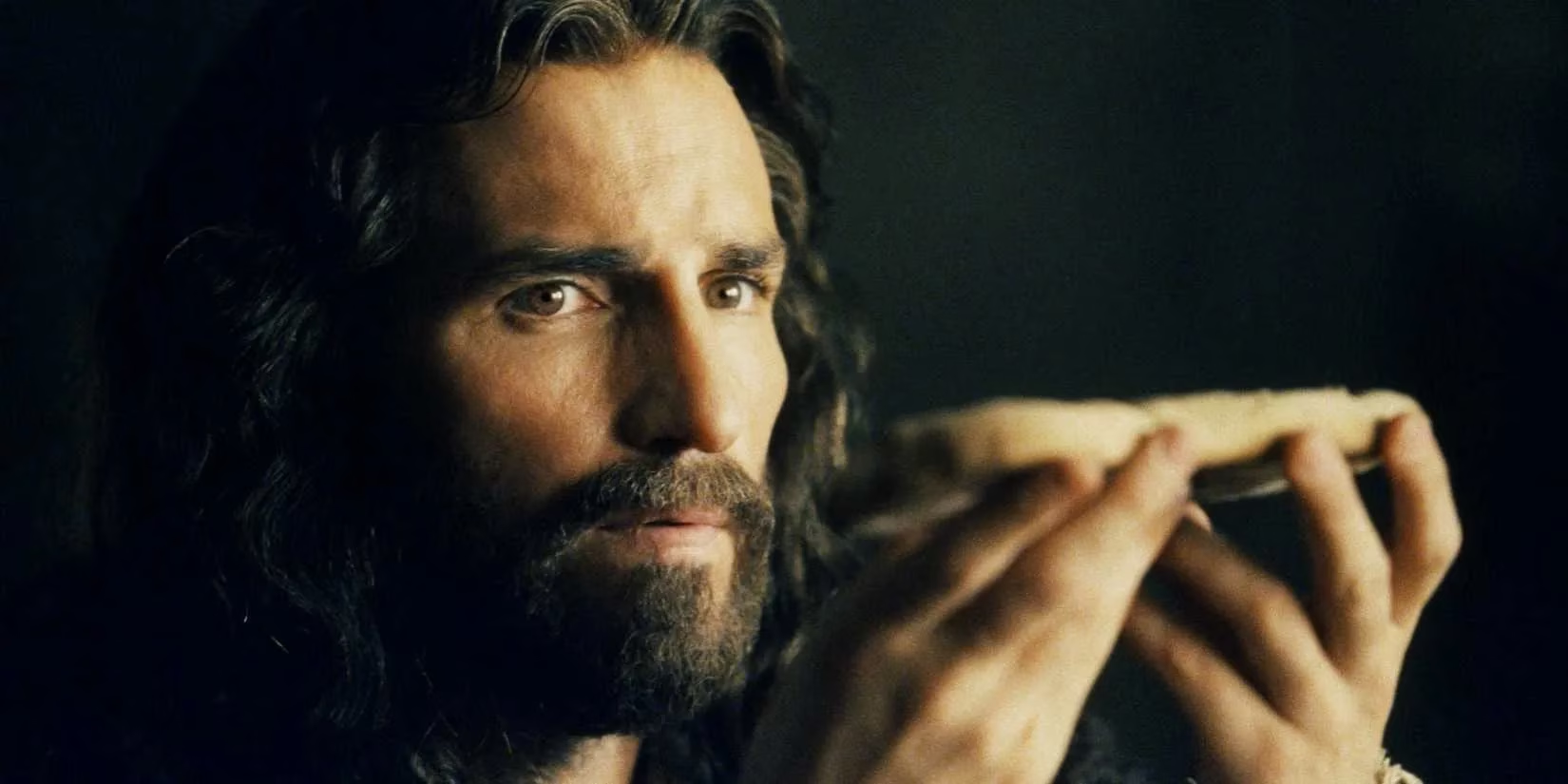
Jim Caviezel’s return as Jesus gives the project its strongest thread of continuity. He is the face audiences remember from 2004, and his presence ties the new films to the old one. Yet the sequel’s two-part structure means his performance will be asked to carry more than suffering. It must carry aftermath. The resurrection is not merely a sequel beat; it is the hinge on which the story turns. Caviezel will have to inhabit a figure who has passed through death and returned with a message that is difficult to translate into ordinary human terms. That is a tall order, even for an actor who has lived with the role for decades.
The Gamble of the Two-Part Event
A two-part release is always a bet. It asks audiences to commit twice in a short window. It asks theaters to hold space for a story that refuses to resolve on the first night. It asks marketing to sell a beginning and an ending as one experience. But the bet also fits the subject. The Resurrection is not a single scene; it is a doorway into a larger mystery. Gibson and Lionsgate are treating it that way. The first film can plant the shock. The second can chase the meaning.
In 2026, The Resurrection of the Christ is no longer a rumor with a distant shape. It has dates, a returning star, and a plan that treats the calendar as part of the storytelling. The two releases sit in 2027 like two nails in a schedule: one on Good Friday, one on Ascension Day. Between them, there is a heartbeat of forty-one days. That is the gamble. That is the invitation. And for audiences, the question is simple: will they return for the second breath?
The following analysis references GamesRadar+, a widely read entertainment and gaming publication whose reporting often examines how release timing, franchise legacy, and audience expectations shape major media events. In the case of a two-part launch like The Resurrection of the Christ, that broader industry lens helps frame the unusual decision to align each installment with significant dates on the Christian calendar, turning distribution strategy into part of the film’s overall narrative identity.