 MovieSequelHub
The cinematic landscape was forever altered in 2023 when Takashi Yamazaki's Godzilla Minus One stormed theaters. The film was not merely a critical and commercial triumph, earning an Oscar, but it fundamentally reset expectations for Toho's iconic franchise. This monumental success paved the way for a highly anticipated sequel, Godzilla Minus Zero, which is set for a 2026 release. As with its predecessor, the sequel's enigmatic title has sparked fervent discussion among fans and analysts, with multiple potential interpretations shaping expectations for this new chapter in the saga.
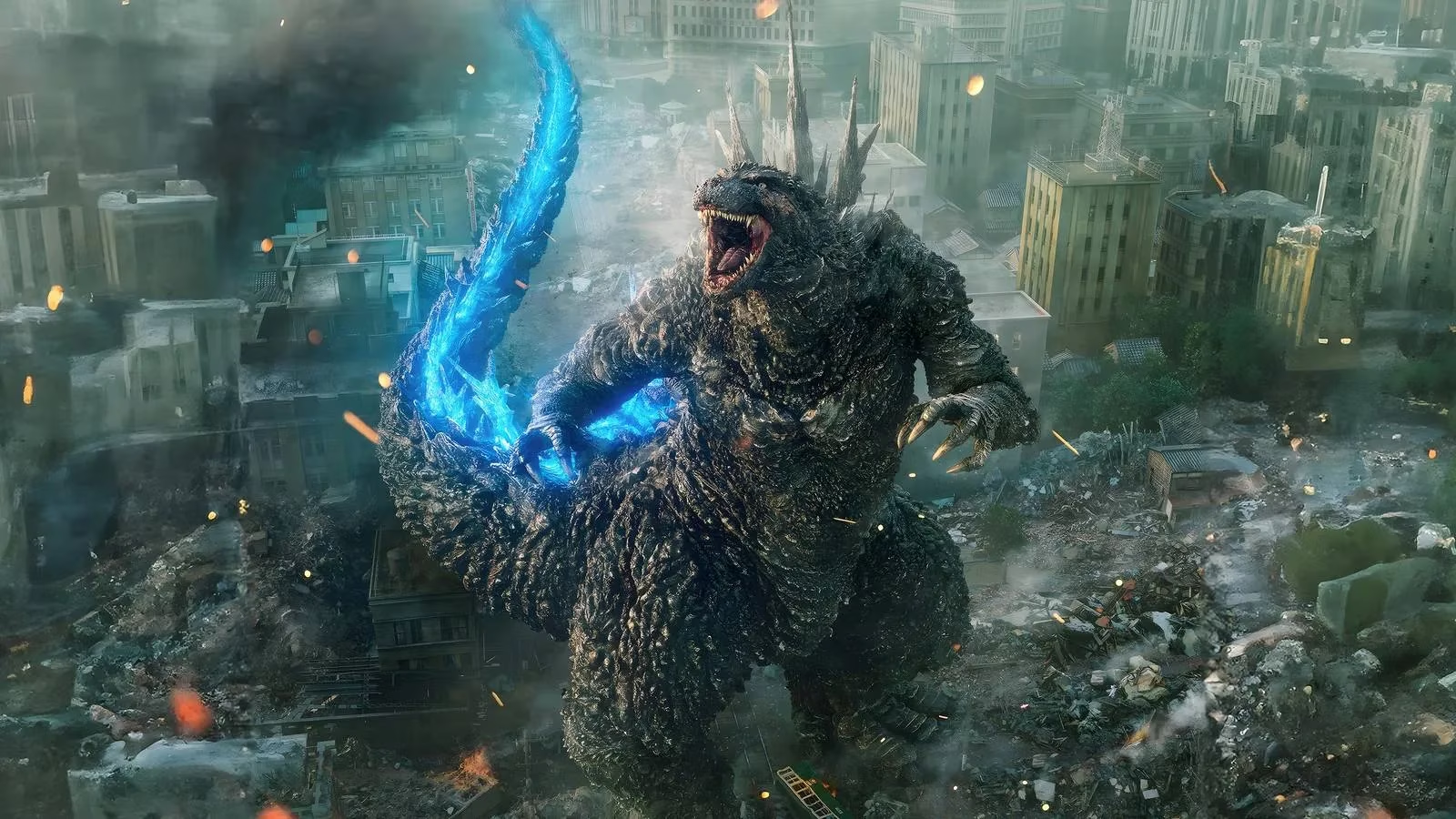
The Mathematical and Societal Meaning of "Minus Zero"
At first glance, Godzilla Minus Zero appears mathematically paradoxical. How can something be "minus zero"? This conundrum finds clarity in the realm of computing, where a negative zero represents a value that is technically below zero but has been rounded up. The negative sign persists, indicating a state that remains sub-zero, albeit marginally. This concept provides a profound lens through which to view Japan's status in the sequel.
-
From -1 to -0: The title Godzilla Minus One symbolized Japan's plight post-World War II. The nation was already at "zero," a state of total devastation. Godzilla's catastrophic emergence plunged it further into the abyss, hence "minus one." The sequel's title, Minus Zero, suggests a nation in recovery. If "minus one" was the nadir, then "minus zero" indicates an improvement. However, this improvement is tragically relative. Japan is still not at a true "zero"; it remains in a condition worse than its pre-war baseline. The title implies a fragile, precarious state—things are less catastrophic, but the nation is still deeply wounded.
-
A Deliberate Narrative Choice: Notably, the filmmakers chose not to title the sequel Godzilla Minus Two, which would have implied a straightforward descent into greater ruin. The selection of Minus Zero is a nuanced statement about a society grappling with the long, arduous tail of recovery. If the story advances several years into the 1950s, this title powerfully illustrates how the events of the first film set back Japan's reconstruction by years, trapping it in a prolonged state of hardship.
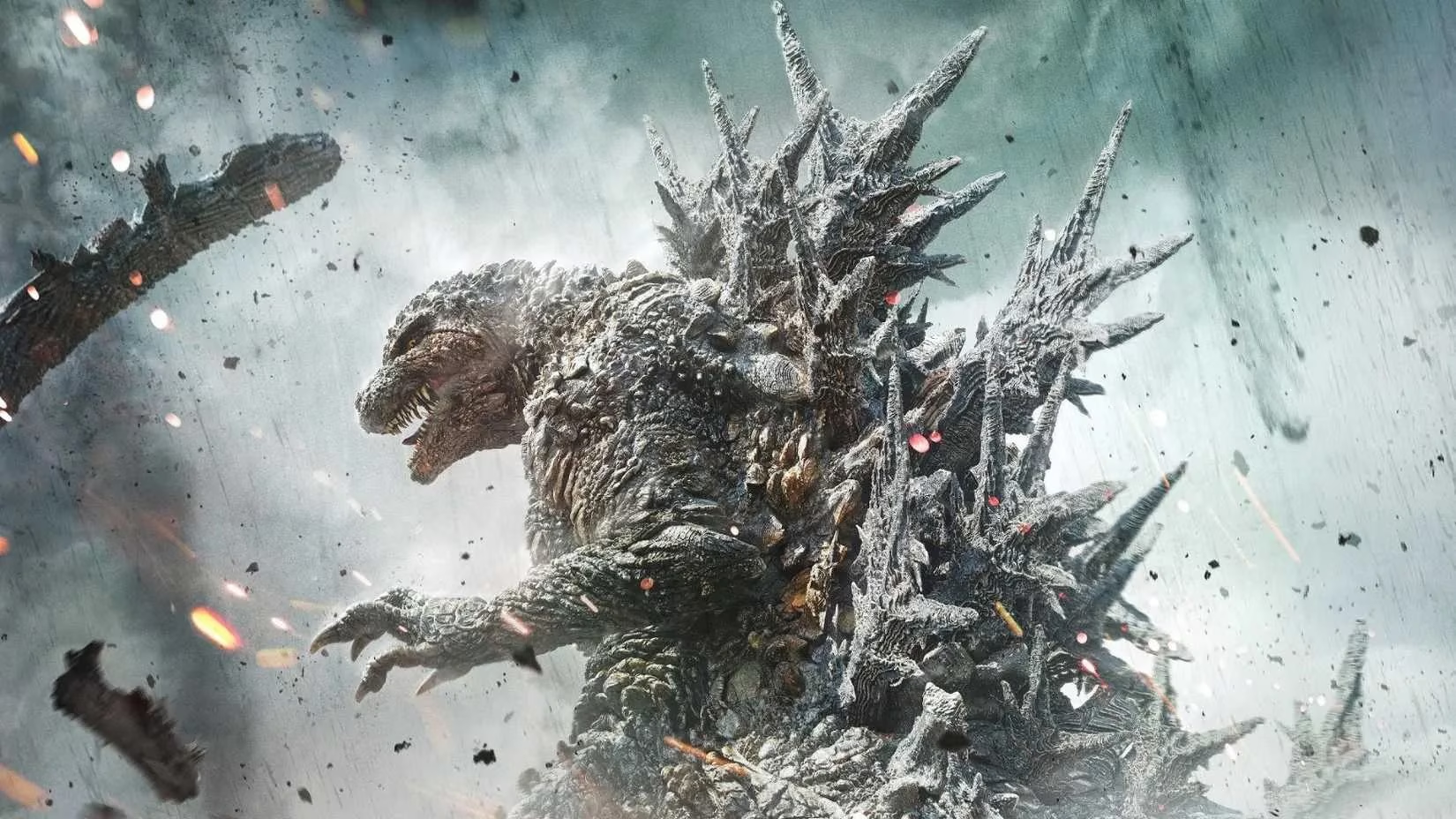
The Kaiju Rivalry: Teasing Monster Zero's Arrival
Beyond its societal commentary, the title Godzilla Minus Zero brilliantly functions as a piece of classic Toho fan service, potentially heralding the introduction of Godzilla's most legendary adversary. Director Takashi Yamazaki has previously hinted that a sequel would introduce other kaiju, and the title cleverly points to one in particular.
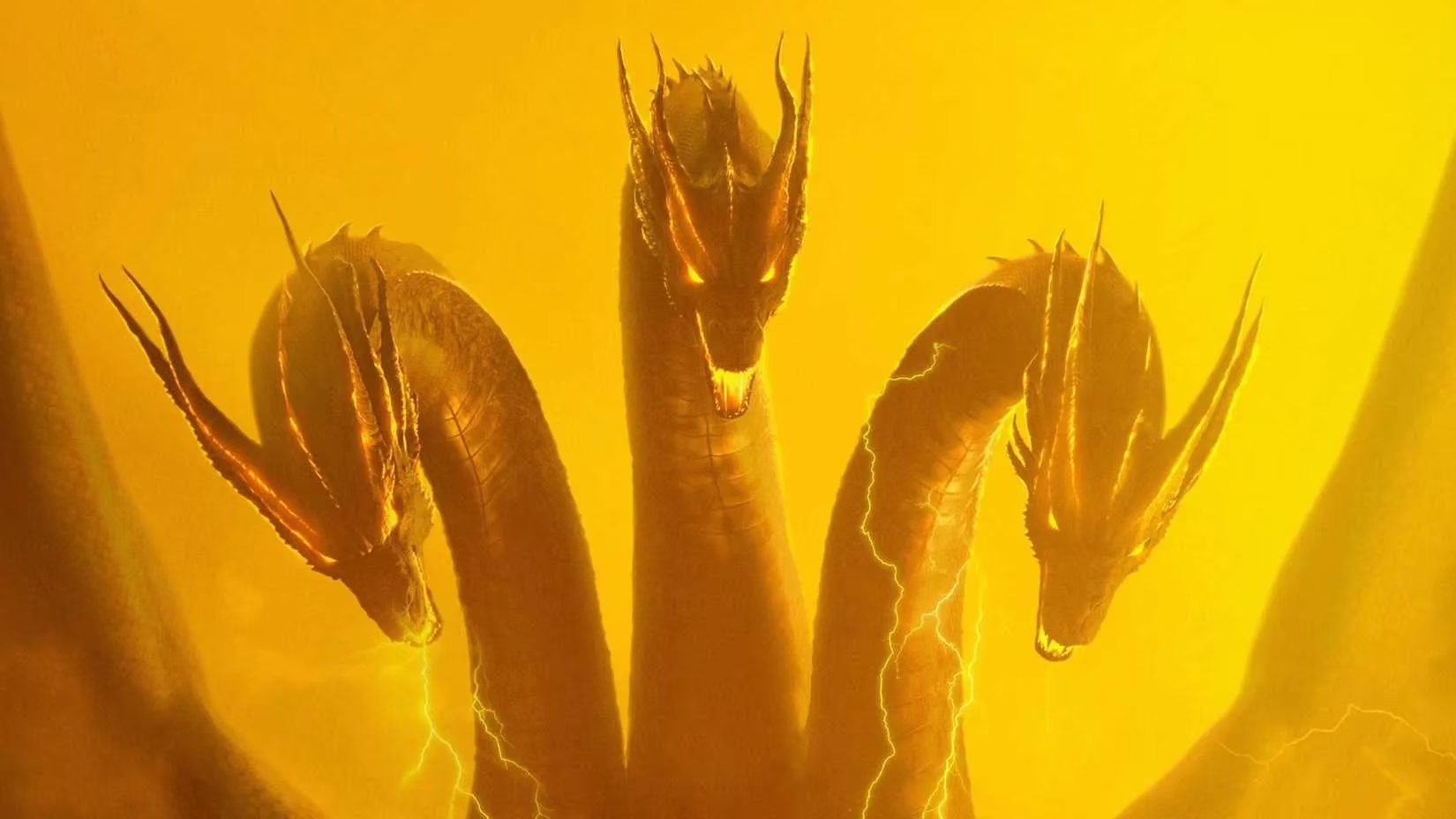
The Key Clue: Among the pantheon of Toho monsters, one iconic villain has borne the alias "Monster Zero." That creature is the three-headed, golden-scaled dragon, King Ghidorah. This connection gives the title a thrilling dual meaning: it describes Japan's societal state and teases the arrival of a colossal extraterrestrial threat.
| Aspect | Details |
|---|---|
| Classic Villain | King Ghidorah, aka Monster Zero |
| First Appearance | Ghidorah, the Three-Headed Monster (1964) |
| Potential Role | Primary antagonist for Godzilla |
| Last Live-Action Appearance | Godzilla: King of the Monsters (2019) |
| Significance for 2026 | Would mark a 7-year gap since his last film appearance |
Introducing Ghidorah would dramatically escalate the scale of the conflict. Their rivalry is one of cinema's most enduring, and a battle in the grounded, post-war aesthetic of the Minus One universe promises a unique and terrifying spectacle. However, it raises intriguing narrative questions. The traditional origin of Ghidorah as an alien invader might require careful integration into the series' focus on human trauma and historical realism. How Yamazaki reconciles this cosmic threat with the grounded human drama will be a fascinating challenge.
Synthesis: What to Expect in 2026
As 2026 approaches, Godzilla Minus Zero stands as one of the most anticipated genre films. The title itself is a masterful piece of marketing, rich with implication and speculation. Here’s a synthesis of what the title points toward:
-
A Recovering, Yet Struggling Japan: The narrative will likely continue exploring the human cost of kaiju conflict, set against a backdrop of a nation trying to rise from the ashes. The "minus zero" condition means hope is fragile, and survival remains a daily struggle. 😔
-
The Return of Familiar Faces & New Threats: While the human cast from Minus One may return to navigate this new normal, the titular "Zero" strongly suggests their world will be shattered once more by the arrival of King Ghidorah. 🐉⚡
-
An Epic, Grounded Kaiju Battle: The sequel promises to merge the emotional weight and period detail of the first film with a colossal monster showdown. The fight between Godzilla and Ghidorah (Monster Zero) will not just be spectacle; it will be a battle that determines the fate of a already-broken nation.
In conclusion, Godzilla Minus Zero is far more than a simple sequel. Its title is a multifaceted promise: a continuation of a profound human story set in a meticulously realized historical context, and the explosive return of one of pop culture's greatest monster rivalries. Whether viewed as a statement on societal recovery or a cryptic announcement for Monster Zero, the title ensures that the journey back to the screen in 2026 will be as compelling as the film itself. The legacy of Minus One set a high bar, but Minus Zero appears poised to meet it by delivering both heartfelt drama and unparalleled kaiju devastation.