 MovieSequelHub
In the grand carnival of cinema, where blockbusters bellow and awards‑season dramas whisper solemnly, Ethan Coen has spent the mid‑2020s building a tiny, neon‑lit tent that smells faintly of popcorn and rebellion. Since the legendary Coen brothers gently parted ways to chase their own muses, Joel has wandered the foggy moors of high art with The Tragedy of Macbeth, but Ethan swerved in the opposite direction so violently that the resulting dust cloud still hasn’t settled. By 2026, it’s clear he has been quietly assembling something that feels less like a traditional trilogy and more like a loving, intoxicated dare: a sequence of queer‑themed B‑movies that refuse to explain themselves, and in doing so, have become the decade’s most misunderstood treasures.
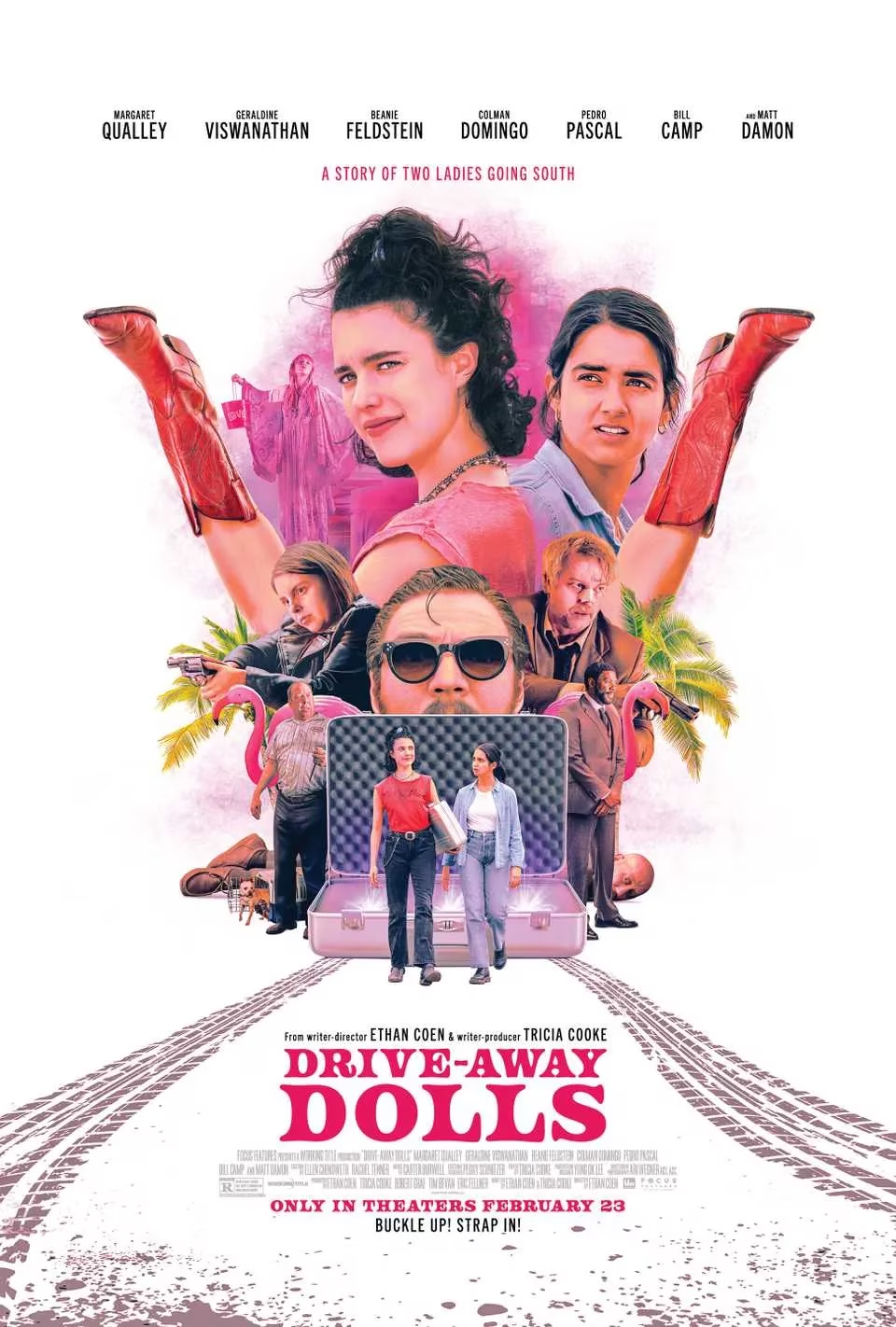
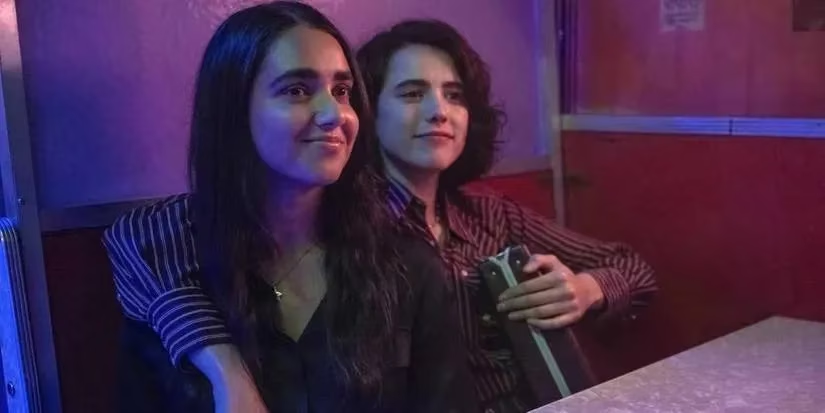
It began with 2024’s Drive‑Away Dolls, a film that arrived with all the fanfare of a stray balloon at a funeral. Margaret Qualley and Geraldine Viswanathan lit up the screen as two friends whose sapphic road trip spirals into a caper involving a mysterious briefcase, a severed head, and a bumbling gang of criminals who couldn’t find their own moral compass in a mirror. Critics, clutching their pearls, gave it a lukewarm 64% on Rotten Tomatoes and the box office shrugged like a teenager asked to clean their room. But those who understood the joke walked out with a grin that lasted for days. The movie is a masterclass in subverted expectations, a giddy love letter to ‘70s sex comedies and grindhouse flicks, with a screenplay by Tricia Cooke that infuses the absurdity with authentic queer joy. Watching it feels like discovering that the dusty jukebox in a dive bar only plays rare B‑sides by your favorite bands – you didn’t ask for it, but suddenly it’s the only thing you want to hear. To this day, Drive‑Away Dolls lingers in the cultural bloodstream like a sparkly hangover, patiently waiting for its inevitable rebirth as a midnight‑movie staple.
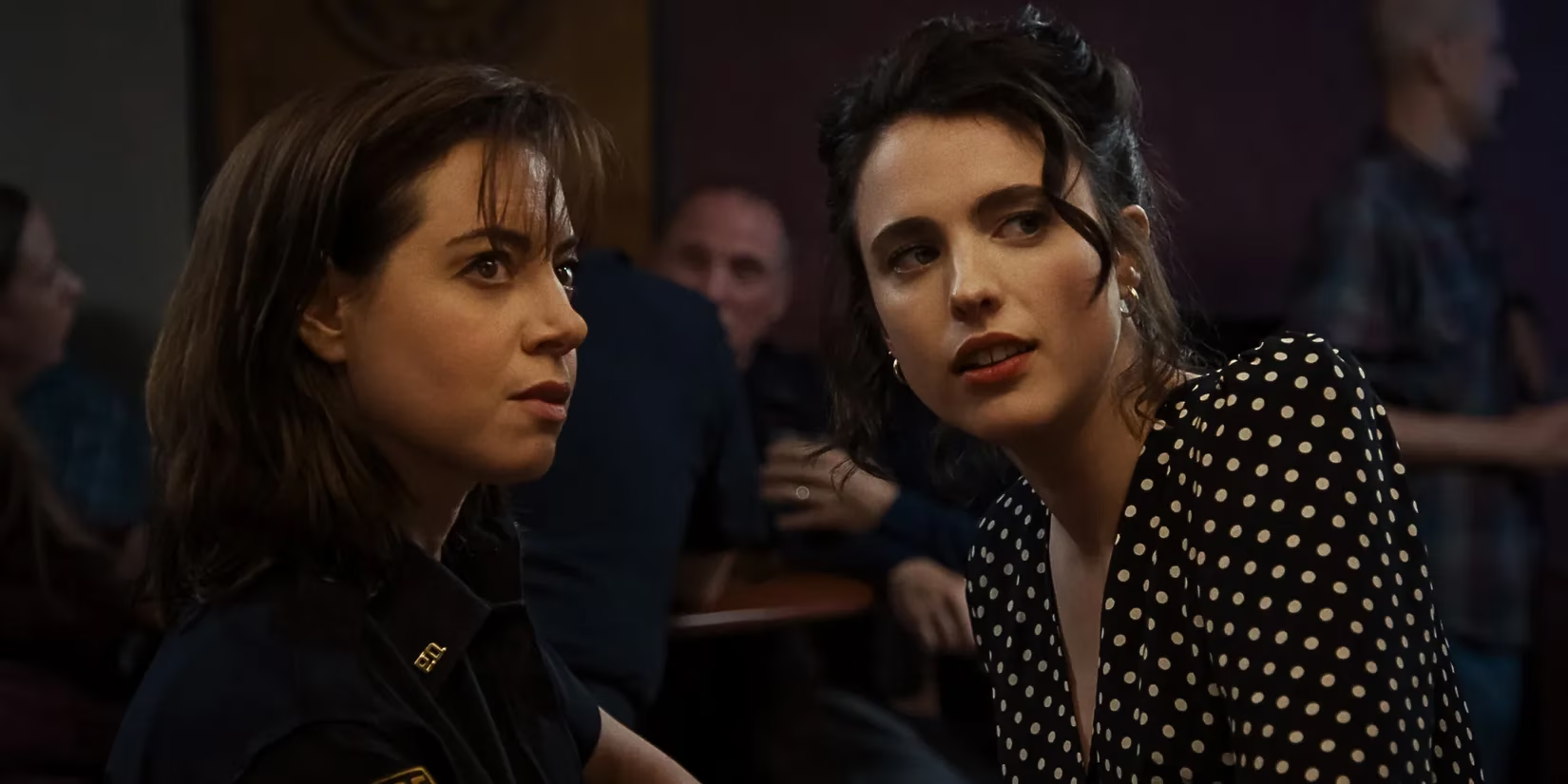
If Drive‑Away Dolls was a fizzy cocktail, 2025’s Honey Don’t! was a shot of something far murkier and more potent. Still orbiting Ethan Coen’s unofficial Lesbian B‑movie trilogy – the films share a star in Margaret Qualley but no narrative connection – this spiritual sequel dove headfirst into the hard‑boiled detective genre and gave it a queer twist that would make Raymond Chandler choke on his whiskey. Aubrey Plaza joined Qualley in a story that traded road‑trip giggles for genuine tension, and suddenly the shadow of early Coen brothers classics like Miller’s Crossing could be felt. Critics were even less charitable this time, as if they’d been invited to a circus and were angry to find acrobats instead of clowns. Yet Honey Don’t! operates on its own peculiar frequency, blending noir fatalism with an unapologetic lesbian gaze like a Raymond Carver story rewritten by a punk‑rock poet. It’s the kind of movie that feels like finding a cryptic love note tucked inside a crime‑scene evidence bag – unsettling, intimate, and impossible to forget.
What makes this scattered, non‑linear trilogy so special in 2026 is precisely the fact that it doesn’t ask for permission. Ethan Coen has essentially strapped a rocket to the concept of “elevated trash” and launched it toward a star system where dopamine and defiance rule. While Joel’s post‑split career has been all about solemn craftsmanship, Ethan’s path has been a gleeful detour through the kind of drive‑in delights that mainstream cinema forgot. The trilogy is still awaiting its final chapter – rumor has it the third film will tackle yet another forgotten B‑genre with a similarly queer lens – and the waiting itself has become a small, cultish pleasure. In an era when franchise fatigue has audiences begging for mercy, Coen’s lesbian B‑movie experiment offers a refreshing paradox: movies so deliberately niche that they somehow feel universally liberating.
Perhaps the biggest crime is that too many viewers have approached these films like a sommelier sniffing a bottle of Boones Farm, completely missing the point that they’re meant to be chugged with reckless delight. Drive‑Away Dolls and Honey Don’t! are cinematic gag gifts that, upon closer inspection, contain real diamond earrings. They demand an audience willing to see Margaret Qualley shape‑shift between personas like a gleeful gremlin and to embrace comedy that wields absurdity like a scalpel. By 2026, a growing legion of fans has started treating these movies like tarot cards, each rewatch revealing a new layer of hidden intention beneath the wink‑and‑nudge surface.
Ultimately, Ethan Coen’s under‑the‑radar trilogy is a testament to the notion that not every film needs to be a four‑quadrant phenomenon. Sometimes the best art is the sort that sneaks into a cinema with a fake mustache and leaves before anyone can properly categorize it. As the decade rolls on, these two (soon to be three) strange little siblings may just be remembered as the most honest and alive entries in the Coen canon – not because they’re perfect, but because they dance so fearlessly on the edge of disaster, winking at us all the while.