 MovieSequelHub
After more than four decades since its theatrical debut, the classic sword-and-sorcery adventure Conan the Destroyer is finding a new digital home. This 1984 sequel to the 1982 film adaptation of Robert E. Howard's iconic barbarian hero, once again starring Arnold Schwarzenegger, is set to premiere on Netflix on January 1, 2026. Having been available for digital purchase and rental for years, its arrival on a major streaming platform marks a significant moment for fans of classic fantasy cinema. But what makes this particular film's journey to streaming so noteworthy? Is it merely nostalgia, or does Conan the Destroyer represent a pivotal, if controversial, chapter in Schwarzenegger's career and the fantasy genre itself?
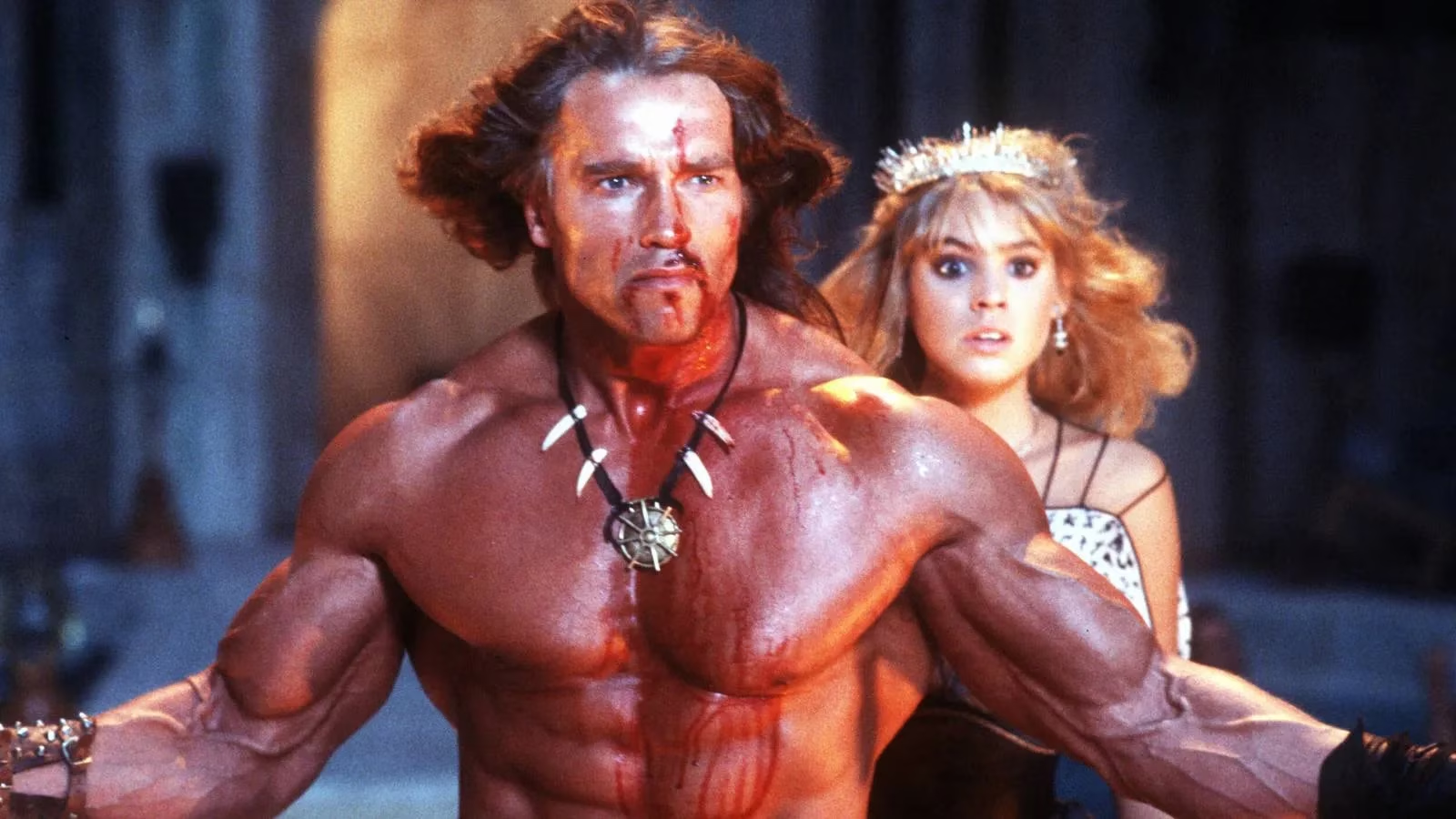
The plot of Conan the Destroyer is a quintessential fantasy quest. The mighty Conan, alongside his rogue companion Malak (played by Tracey Walter), is tasked with a sacred mission: to escort the young Princess Jehnna (Olivia d'Abo) to a mystical island fortress. Their goal is to awaken an ancient sleeping god, Dagoth. The promised reward for this perilous journey is the resurrection of Conan's lost love, Valeria. This narrative framework sets the stage for epic battles, strange allies like the fierce warrior Zula (Grace Jones), and encounters with magical foes.
However, the film's legacy is deeply intertwined with a fundamental creative shift that set it apart from its predecessor. The most significant deviation was the conscious decision by producer Dino De Laurentiis to aim for a PG rating, a stark contrast to the original Conan the Barbarian's R rating. The intent was clear: broaden the audience appeal and, consequently, the box office potential. This strategic move resulted in a noticeably lighter tone, with reduced graphic violence and a more straightforward adventure narrative. But did this gamble pay off? The answer, historically, is a resounding no.
The critical and commercial reception tells a clear story of diminished returns:
-
Box Office Performance: The sequel earned roughly less than half of the original film's theatrical revenue in North America.
-
Critical Reception: On Rotten Tomatoes, Conan the Destroyer holds a dismal 29% approval rating from critics, compared to the original's 67%.
-
Audience Score: Audiences were similarly less impressed, giving it a 38% score versus the original's 74%.
The film only managed to recoup its financial footing through the then-thriving worldwide home video rental market, where it nearly matched its entire theatrical gross within three years. This highlights an early example of a film finding its audience and profitability outside the traditional cinema system—a precursor to the modern streaming model it now joins.
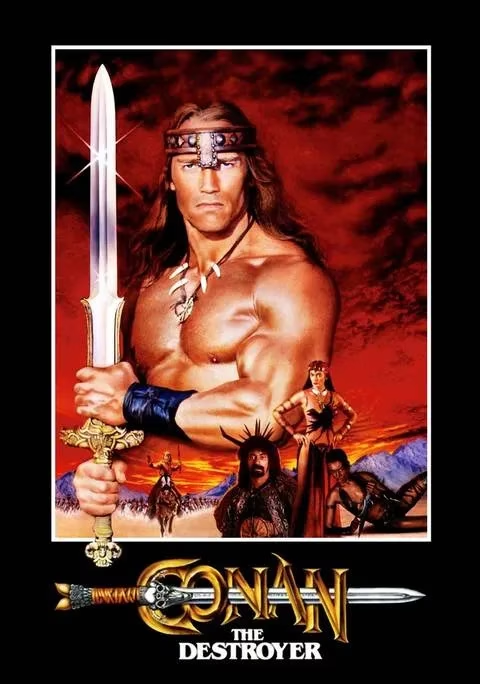
For Arnold Schwarzenegger, Conan the Destroyer marked a symbolic endpoint. It was effectively one of his final major roles in the pure sword-and-sorcery genre. He followed it with the 1985 film Red Sonja, a spin-off from the Conan universe where he played a different character, Lord Kalidor. Despite reuniting with producer De Laurentiis and director Richard Fleischer, Red Sonja was a critical and commercial failure upon release, though it has since gained a cult classic status. This period closed the chapter on Schwarzenegger's era as a fantasy hero, soon to be eclipsed by his meteoric rise as the definitive action star of the late 80s and 90s with films like The Terminator, Predator, and Total Recall.
So, why is Netflix a fitting home for Conan the Destroyer in 2026? The platform has cultivated a robust library of Schwarzenegger's filmography, including cornerstone titles like:
-
The Terminator (1984)
-
Terminator 2: Judgment Day (1991)
-
His recent spy comedy series, FUBAR
This established collection makes Netflix a natural destination for completing the Conan chapter of his career. The streaming premiere presents a unique opportunity. For longtime fans, it's a chance to revisit a piece of cinematic history with the convenience of modern technology. For new viewers, it offers a gateway into the pre-CGI era of practical effects and mythic storytelling.
The film's arrival also raises intriguing possibilities for the broader franchise's future on streaming. If Conan the Destroyer proves to be a viewership success for Netflix, could it pave the way for other related titles? One can speculate about the potential addition of:
-
The original, superior Conan the Barbarian (1982)
-
The 2011 reboot attempt, Conan the Barbarian
-
The recent Red Sonja reboot
In many ways, Conan the Destroyer is a fascinating time capsule. It captures Arnold Schwarzenegger at a transitional point, showcases the risky studio logic of diluting a product for wider appeal, and demonstrates how a film's financial life can be saved by secondary markets—a lesson very relevant in today's streaming-dominated landscape. Its journey from a theatrical disappointment to a rental-era staple, and now to a Netflix catalog entry, mirrors the evolving ways audiences consume and rediscover films. As it begins streaming at the dawn of 2026, viewers can decide for themselves if this quest to resurrect a lost love is a forgotten gem or a cautionary tale of Hollywood compromise.